Kerala High Court Affirms Panchayat President's Authority in Employee Suspensions
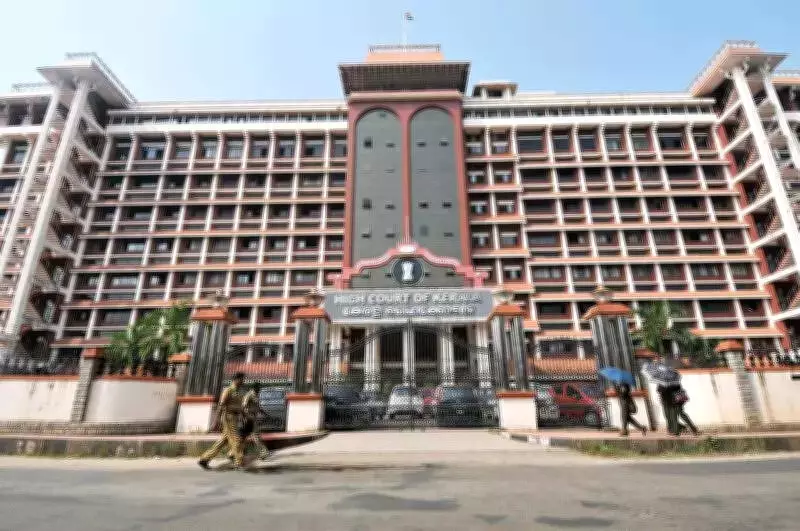
The Kerala High Court has delivered a significant ruling, affirming that a panchayat president holds the legal authority to suspend any employee, with specific exceptions, when disciplinary actions are under consideration. This decision clarifies the boundaries of power between local governance bodies and state authorities, emphasizing the autonomy of panchayats in administrative matters.
Court's Detailed Ruling on Government Powers
Justice N Nagaresh, in a comprehensive judgment, set aside a state government order that had frozen the suspension of an assistant secretary in the Kizhakkambalam panchayat. The court emphasized that the government's power under Section 191 of the Kerala Panchayat Raj Act is strictly supervisory and corrective. It can only be invoked when statutory conditions are met, not to intervene in individual disputes or preempt disciplinary processes.
The case originated from a petition filed by the panchayat president, who challenged the government's decision to freeze a suspension order that had been ratified by the panchayat committee. According to the petitioner, the assistant secretary attended a committee meeting on August 26, 2025, without authorization, and willfully disrupted proceedings despite warnings. This led to her suspension on August 27, which the committee subsequently endorsed.

Government's Defense and Court's Rebuttal
In response, the state government argued that the suspension was prima facie illegal, justifying its intervention under Section 191. It contended that the assistant secretary, as the project implementing officer, had the right to attend the meeting. The government also cited preliminary inquiry reports from the Local Self-Government Department joint director and a suspension review committee to support its action.
However, the High Court observed that the suspension was initiated in contemplation of disciplinary proceedings for alleged misconduct. The court stressed that such misconduct must be proven through a formal domestic inquiry, conducted by an inquiry officer as per legal rules, with opportunities for both prosecution and defense. The government's parallel inquiry and premature conclusion were deemed inappropriate, as they usurped the panchayat's powers and exceeded jurisdictional limits.
Implications for Local Governance
This ruling reinforces the principle that panchayats possess inherent authority to manage their internal affairs, including employee discipline, without undue interference from higher authorities. It serves as a reminder that government oversight should be exercised judiciously, focusing on corrective measures rather than preemptive adjudication. The decision is expected to impact future cases involving local body autonomy and disciplinary procedures across Kerala.
By setting aside the government's order, the High Court has upheld the integrity of the disciplinary process, ensuring that panchayats can function effectively in maintaining order and accountability within their jurisdictions.