








Politics
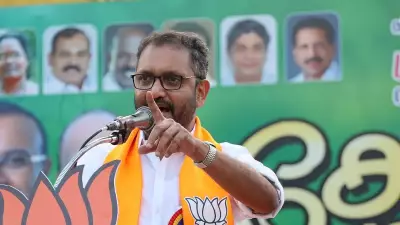
Kerala 2026 Polls: SIR Voter Surge Poses New Challenge for BJP in Manjeshwar
As BJP's K Surendran re-enters the Kerala Assembly race, the Special Intensive Revision's voter increase creates a fresh electoral hurdle in Manjeshwar for the 2026 elections.





World

Trump's 'Unhinged' Iran Ultimatum Sparks Global Alarm Over Strait of Hormuz Threat
Donald Trump's explosive Easter social media post threatened Iran with 'Power Plant Day' and 'Bridge Day,' demanding the Strait of Hormuz be opened or face dire consequences, intensifying global scrutiny.



Entertainment

Vignesh Shivan Reveals Fallout with Dhanush, Calls Lost Friendship His Biggest Regret
Filmmaker Vignesh Shivan emotionally discusses his fallout with actor Dhanush, labeling the loss of their friendship as his biggest regret amid controversy involving Nayanthara.



Business
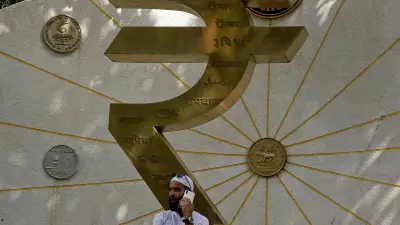
Indian Rupee Gains 28 Paise, Closes at 92.90 Against US Dollar
The Indian rupee appreciated by 28 paise to settle at 92.90 against the US dollar, supported by RBI measures. However, forex traders warn that foreign capital outflows, a strong dollar, and high crude oil prices amid geopolitical volatility continue to pr



Sports



Lifestyle





Technology
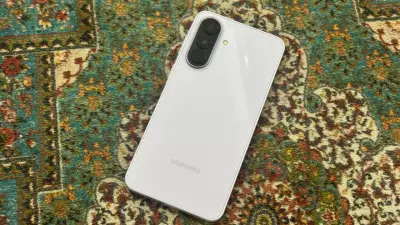
Samsung Galaxy A37 5G and A57 Launch in India
Samsung introduces the Galaxy A37 5G and A57 smartphones in India, featuring AI enhancements, durable designs, and long-term software support for mid-range users.

Artemis 2 Astronauts Complete Historic Moon Flyby Mission
NASA's Artemis 2 astronauts successfully completed a historic moon flyby, becoming the first humans to visit lunar orbit since Apollo 17 in 1972. The crew observed rare lunar features and witnessed a solar eclipse from beyond the moon.

Bengaluru Man Loses Rs 50,000 in ATM Scam for Mother's Treatment
A 26-year-old man in Bengaluru was cheated of Rs 50,000 by a stranger at an ATM who used a fake transaction screenshot to steal money meant for his mother's medical treatment.

Fortnite v40.20 Update: Release Date and Features
Fortnite v40.20 update launches on April 16, 2026, with balance adjustments, new cosmetics, and narrative developments for Chapter 7 Season 2: Showdown.

Xiaomi Fan Festival 2026: Deals, Redmi Note 15 SE, MiniLED TVs
Xiaomi announces Fan Festival 2026 with discounts on smartphones, TVs, and devices, launches Redmi Note 15 Special Edition, and enters MiniLED TV segment in India.
