Jharkhand High Court Disposes Contempt Case Against Simdega SP Over Constable's Death Benefits
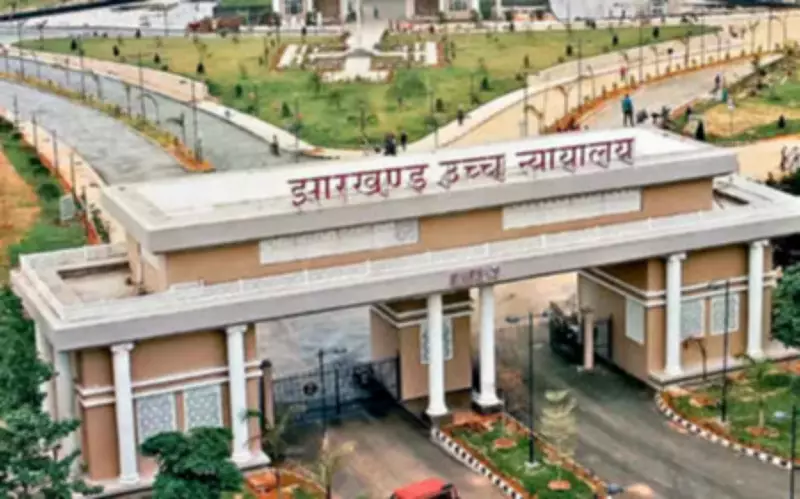
The Jharkhand High Court, in a significant ruling, disposed of a contempt application filed against the Superintendent of Police (SP) of Simdega district on Friday. The case centered on the delayed release of death cum retirement benefits for a deceased constable, highlighting administrative lapses in the home department.
Background of the Contempt Petition
The contempt petition was filed by Usha Sharma, the widow of a constable who served in the Simdega police force for 11 years before his untimely death in 2023. Following his passing, Usha Sharma claimed the monetary benefits owed to her husband, which include death and retirement dues. However, despite her rightful claims, the home department failed to release these benefits, prompting her to seek judicial intervention.
Frustrated by the inaction, Usha Sharma moved the Jharkhand High Court, alleging contempt of court due to non-compliance with earlier directives. Her petition underscored the emotional and financial distress faced by families of deceased government employees when entitled benefits are withheld.

Court Proceedings and Disposal
The case was heard by Justice Ananda Sen, who presided over the contempt application. During the proceedings, the court reviewed the facts and noted that on May 2, 2024, it had issued a clear order directing the Simdega Police to ensure the prompt release of all due payments to Usha Sharma's husband. This order was aimed at rectifying the administrative delay and providing relief to the aggrieved widow.
In the recent hearing, the Simdega SP appeared before the court and informed Justice Sen that Usha Sharma's application for the benefits had been duly processed and disposed of. Based on this submission, the court found that the earlier order had been complied with, leading to the disposal of the contempt petition. The disposal signifies the court's role in ensuring accountability and timely action in such sensitive matters.
Implications and Broader Context
This case sheds light on the challenges faced by dependents of deceased government employees in accessing their entitled benefits. Delays in processing such claims can cause significant hardship, as seen in Usha Sharma's situation. The Jharkhand High Court's intervention underscores the judiciary's commitment to upholding the rights of citizens and holding authorities accountable for administrative failures.
Moreover, the disposal of the contempt application serves as a reminder to government departments to adhere to court orders promptly. It emphasizes the importance of efficient grievance redressal mechanisms within the home department and other state agencies to prevent similar issues in the future.
In conclusion, the Jharkhand High Court's action in this case not only provided justice to Usha Sharma but also reinforced the legal framework for protecting the interests of families of deceased public servants. The resolution highlights the need for systemic improvements to ensure that such benefits are released without undue delay, fostering trust in governmental processes.