Punjab High Court Imposes Heavy Costs on GMADA Over Deficient Affidavit
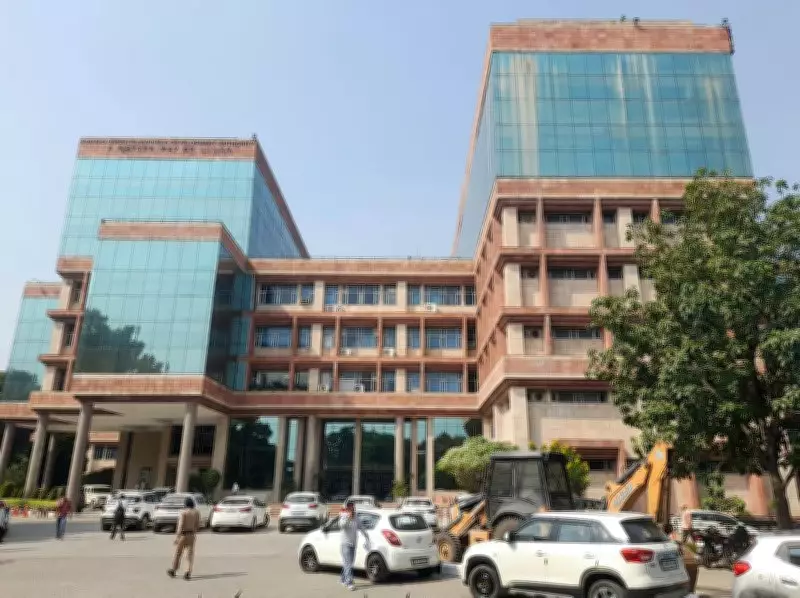
The Punjab and Haryana High Court has delivered a stern rebuke to the Greater Mohali Area Development Authority (GMADA), imposing costs of Rs 25,000 for submitting what it termed a "non-speaking" affidavit that lacked transparency and failed to address the court's queries adequately. This significant ruling underscores the judiciary's growing impatience with governmental bodies that provide evasive or incomplete responses in legal proceedings.
Court Rejects GMADA's Affidavit as Inadequate
In a recent hearing, the High Court scrutinized an affidavit filed by GMADA in response to a petition. The bench found the reply to be vague, non-responsive, and lacking in the necessary details required for a fair adjudication of the matter. The court emphasized that such practices hinder the judicial process and undermine public trust in administrative transparency.
The affidavit was criticized for being "non-speaking," meaning it did not clearly articulate GMADA's stance or provide substantive information. This led the court to reject it outright, highlighting a failure on the part of the authority to comply with legal standards of disclosure and accountability.

Imposition of Costs as a Deterrent
The imposition of Rs 25,000 in costs serves as a punitive measure and a deterrent against similar conduct by GMADA and other public authorities in the future. The court noted that the lack of transparency in the affidavit necessitated this financial penalty to reinforce the importance of thorough and honest submissions in court cases.
This decision is part of a broader trend where courts are taking a stricter stance on procedural lapses by government agencies. It sends a clear message that evasive tactics will not be tolerated and that authorities must uphold high standards of governance and legal compliance.
Implications for Governance and Public Accountability
The ruling has significant implications for governance in Punjab, particularly concerning how development authorities like GMADA operate. It stresses the need for:
- Enhanced transparency in administrative actions
- Proper documentation and disclosure in legal matters
- Accountability of public officials in fulfilling their duties
By penalizing GMADA, the High Court aims to promote a culture of openness and responsibility, ensuring that citizens' rights are protected and that public bodies act in the best interest of the community.
This case highlights the critical role of the judiciary in holding authorities accountable and fostering a more transparent and responsive administrative framework in the region.