Punjab and Haryana High Court Grants Regular Bail to YouTube Influencer Bobby Kataria in NIA-Led Human Trafficking Case
The Punjab and Haryana High Court has delivered a significant ruling by granting regular bail to YouTube influencer Bobby Kataria in a high-profile human trafficking and cheating case that was being investigated by the National Investigation Agency (NIA). This decision marks a pivotal development in a legal saga that has captured public attention due to its serious allegations and the involvement of a social media personality.
Court Overturns Earlier Bail Denial and Details Allegations
A division bench comprising Justice Anupinder Singh Grewal and Justice Deepak Manchanda allowed Kataria's appeal against the July 20, 2024, order from the NIA Special Judge in Panchkula, which had previously denied him bail. The case originated when Haryana Police booked Kataria on May 27, 2024, under multiple sections of the Indian Penal Code, including IPC 323 (voluntarily causing hurt), 342 (wrongful confinement), 346 (wrongful confinement in secret), 370 (trafficking), 420 (cheating), 506 (criminal intimidation), and 120-B (criminal conspiracy), along with Sections 10 and 24 of the Emigration Act. Subsequently, the investigation was transferred to the NIA, highlighting the gravity of the accusations.
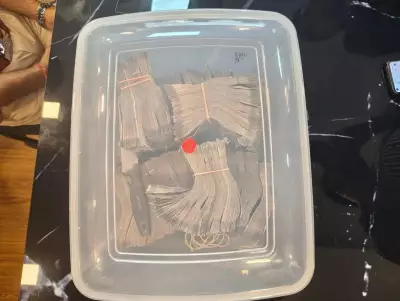
According to the allegations presented by the agency, Kataria and his alleged associates collected over Rs 19.6 lakh from several individuals under the false pretense of arranging overseas employment. The victims were reportedly promised lucrative job opportunities in countries such as the UAE and Singapore but were instead sent to other destinations, including Laos. The NIA argued that these allegations were extremely serious and emphasized that numerous witnesses had yet to be examined, which they contended justified keeping Kataria in custody.

Defense Arguments and Court's Rationale for Granting Bail
In his plea for bail, Kataria's counsel presented several compelling arguments to the court. The defense contended that the individuals had voluntarily approached Kataria and paid for facilitation services, suggesting a degree of consent in the transactions. It was further argued that the persons concerned had indeed travelled abroad and stayed there for some time but returned on their own volition because they were dissatisfied with the working conditions, rather than being forcibly confined or trafficked.
Kataria also made a crucial undertaking to deposit the entire alleged amount of Rs 19,67,000 through a demand draft before the trial court within two days. Additionally, the defense highlighted that Kataria has been in custody as an undertrial for over 20 months and has been acquitted in all other cases previously registered against him, indicating a clean record in other legal matters.
After hearing the petition, the High Court observed that while the allegations involved taking money to send individuals abroad, the victims had indeed been sent overseas, albeit not to their preferred destinations. The court took into account several key factors: the prolonged custody of over 20 months, the absence of any other pending cases against Kataria, his undertaking to return the disputed amount, and the likelihood of a prolonged trial given that only 23 of the 73 prosecution witnesses have been examined so far. Based on these considerations, the bench found it appropriate to grant bail.
Specific Bail Conditions and Ongoing Trial Proceedings
The court directed that Kataria be released on regular bail upon furnishing the requisite bail bonds. It also mandated the deposit of the demand draft for Rs 19.67 lakh before the NIA Special Court in Panchkula within two days. The Special Court has been granted the liberty to disburse this amount to claimants after due verification and in accordance with the law, ensuring that any victims are compensated appropriately.
Furthermore, the bench imposed strict conditions to safeguard the integrity of the ongoing trial. Kataria is directed not to contact any witnesses or attempt to influence them in any way, which is a standard precaution in such cases to prevent tampering with evidence or intimidation. The trial continues before the NIA Special Court in Panchkula, with the proceedings still in the early stages as only a fraction of the prosecution witnesses have been examined to date.

This ruling underscores the judiciary's balance between ensuring justice for alleged victims and upholding the rights of the accused, particularly in cases involving prolonged detention and complex legal arguments. It sets a precedent for how courts may handle similar allegations involving financial fraud and human trafficking, especially when the accused offers restitution and has no prior convictions.