

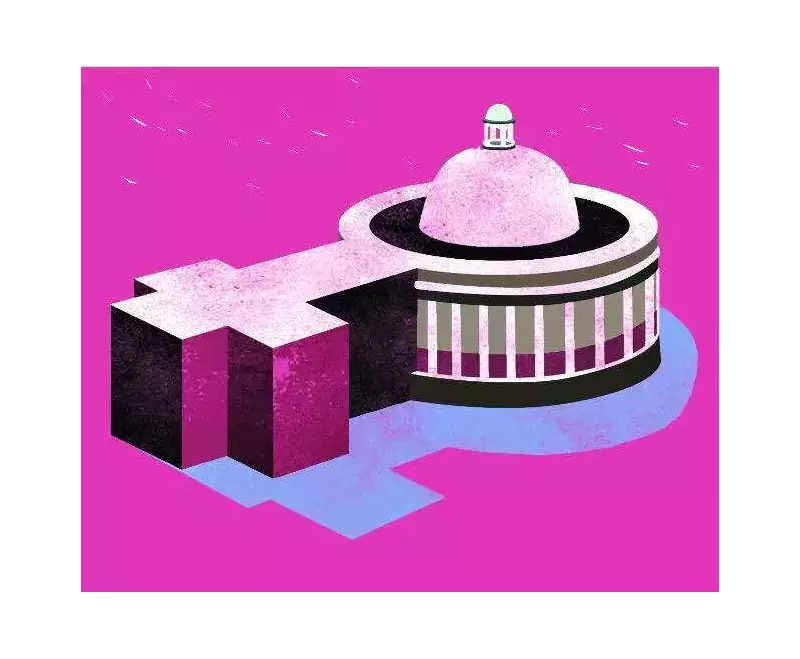
The Andhra Pradesh High Court has stepped into a significant debate concerning gender representation within the legal fraternity. On Friday, the court issued formal notices to the Andhra Pradesh High Court Advocates Association (APHCAA) following a petition that demands the implementation of a 33% reservation for women in the association's upcoming elections.
Legal Challenge Against "Arbitrary" Exclusion
The petition was filed by senior counsel Thota Sunitha, who argued the case herself. She contended that the association's failure to provide reservation for women members is not only illegal and arbitrary but also a direct violation of constitutional principles and established Supreme Court guidelines. Sunitha brought the court's attention to the 106th constitutional amendment, which mandates one-third reservation for women across various levels of governance, from local bodies to Parliament.
She further bolstered her argument by citing a crucial Supreme Court directive from May last year. In that ruling, the apex court had instructed all bar and advocates' associations under its direct purview to implement a one-third reservation for women. Sunitha urged the Andhra Pradesh High Court to issue similar directions to the APHCAA, aligning its internal electoral process with this broader constitutional and judicial vision for gender equity.

Court's Response and Next Steps
After considering the detailed submissions presented by Sunitha, Justice Gannamaneni Rama Krishna Prasad took cognizance of the matter. The judge directed that notices be issued to the advocates' association, officially making it a respondent in the case. The petition specifically names the APHCAA president, general secretary, and executive committee members as party respondents.
The court has scheduled the next hearing in this case for next Wednesday, allowing the association time to respond to the allegations. This legal intervention comes at a critical juncture, as the APHCAA is reportedly in the process of preparing for its elections scheduled for next March, where a new governing body will be elected.
A Broader Push for Gender Parity in the Profession
This case highlights an ongoing national conversation about gender representation within India's legal institutions. While women are increasingly entering the legal profession, their representation in leadership positions within influential bar associations often remains low. The petition leverages both constitutional mandates and Supreme Court advisories to challenge this status quo at the state level.
The outcome of this petition could set a significant precedent for other state-level advocates' associations across India, potentially mandating structural changes to ensure women have a fair chance at leadership roles within these professional bodies. The legal community in Vijayawada and across Andhra Pradesh will be closely watching the association's response and the court's subsequent rulings.






