High Court Castigates Haryana Government Over Rampant Illegal Mining in Aravalli Hills
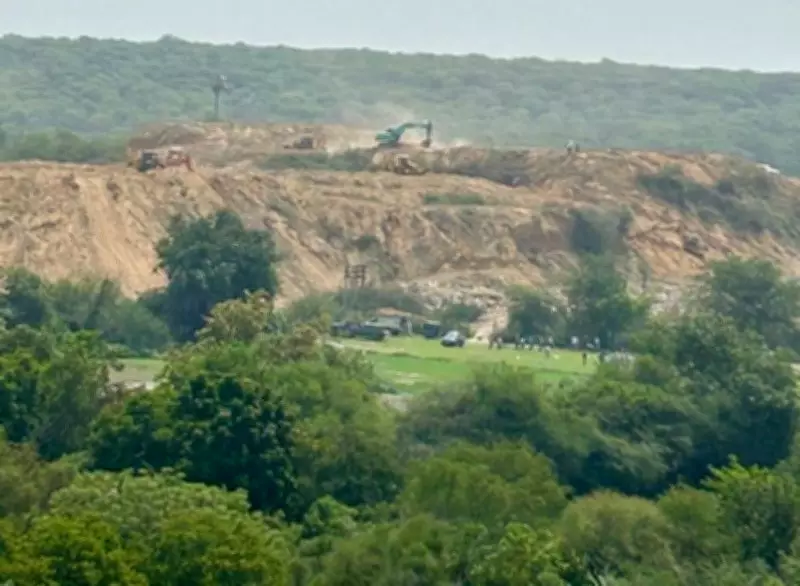
The Punjab and Haryana High Court has delivered a scathing rebuke to the Haryana government, expressing grave concern over widespread illegal mining activities in the ecologically sensitive Aravalli hills. The court's stern observations point towards a disturbing pattern of official callousness and the possibility of connivance in these environmental violations.
Judicial Ire Over Environmental Degradation
During a recent hearing, the bench did not mince words, highlighting the severe and ongoing damage to the Aravalli ecosystem. The court noted that despite clear regulations and previous directives, unlawful excavation and transportation of minerals continue unabated in several districts. This persistent flouting of the law suggests a systemic failure in enforcement and monitoring mechanisms.
The judicial remarks underscored a deep-seated frustration with the state administration's apparent inaction. The bench questioned whether the lack of effective intervention was due to mere negligence or something more sinister, like potential collusion between certain officials and mining operators. This raises serious questions about governance and accountability in protecting natural resources.

Call for Stringent Action and Accountability
The High Court has demanded immediate and concrete steps from the Haryana government to curb these illegal activities. The directives likely include:
- Strengthening ground-level surveillance and patrolling in vulnerable zones.
- Taking strict disciplinary action against officials found negligent or complicit.
- Ensuring the prosecution of illegal miners and those financing these operations.
- Submitting a comprehensive action plan with clear timelines for compliance.
The court emphasized that the Aravalli range is not just a geological formation but a critical natural barrier against desertification and a vital biodiversity hotspot. Its degradation has far-reaching consequences for air quality, water security, and climate resilience in the National Capital Region and beyond.
Broader Implications for Environmental Governance
This case transcends a local issue, spotlighting the national challenge of balancing development with ecological conservation. The High Court's intervention serves as a potent reminder that environmental laws must be enforced with rigor and transparency. It also puts pressure on other states to audit their own mining regulations and enforcement practices.
The outcome of this judicial scrutiny could set a significant precedent for how Indian courts address governmental lapses in environmental protection. It reinforces the judiciary's role as a guardian of constitutional mandates to safeguard natural heritage for future generations.