

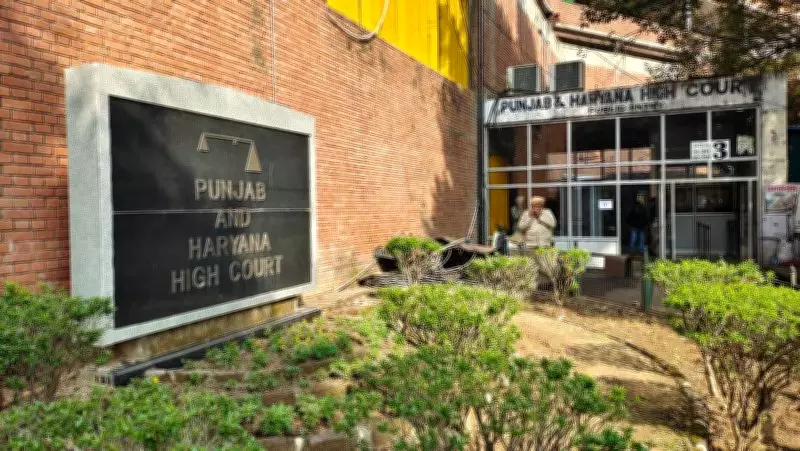
Punjab and Haryana High Court Emphasizes Reformative Justice in Landmark Ruling
In a significant decision underscoring the principles of reformative justice, the Punjab and Haryana High Court has reduced the jail term of a 76-year-old woman involved in a 2008 Narcotic Drugs and Psychotropic Substances (NDPS) case. Justice Vinod S. Bhardwaj, presiding over the bench, slashed her nine-month sentence to the period already undergone, which amounts to nearly three months, citing her advanced age, status as a first-time offender, and the prolonged 17-year ordeal of criminal proceedings.
Court Highlights Age and Long-Drawn Trial as Mitigating Factors
Justice Bhardwaj, while upholding the trial court's findings on guilt from the Special Court in Patiala, ruled that further incarceration would have severe implications on the woman's health. The bench noted that the contraband recovered did not fall under the commercial quantity category, adding weight to the decision for leniency. The court observed that the appellant had faced the "agony of criminal prosecution" since the incident in 2008, with over 17 years elapsed, during which she demonstrated no involvement in other offences.
Reformative Over Retributive Justice: A Judicial Shift
The bench asserted that criminal law should not be driven solely by retribution, stating, "The purpose would be defeated in case some benefit is not extended to an accused who has shown reformative tendencies." Referring to Supreme Court precedents, Justice Bhardwaj quoted a judgment emphasizing that a civilised society cannot be achieved through punitive attitudes alone, but by fostering public harmony and brotherhood. The court highlighted that first-time offenders deserve opportunities to repent and look forward to a brighter future.

Detailed Reasoning Behind Sentence Reduction
In its ruling, the court considered multiple mitigating factors:
- The appellant's age of 76 years and associated health risks.
- Her status as a first-time offender with no prior criminal record.
- The 17-year duration of the criminal trial, which she endured without further incidents.
- Evidence of reformative tendencies and learning from past mistakes.
- The non-commercial quantity of contraband involved in the case.
Justice Bhardwaj concluded that the ends of justice would be served by reducing the sentence to the time already served, while keeping the fine of Rs 500 imposed by the trial court intact. This decision marks a pivotal moment in judicial discretion, balancing legal accountability with compassionate considerations for elderly offenders.






