High Court Clears Path for Mohali's Traffic Relief with Conditional Tree-Cutting Approval
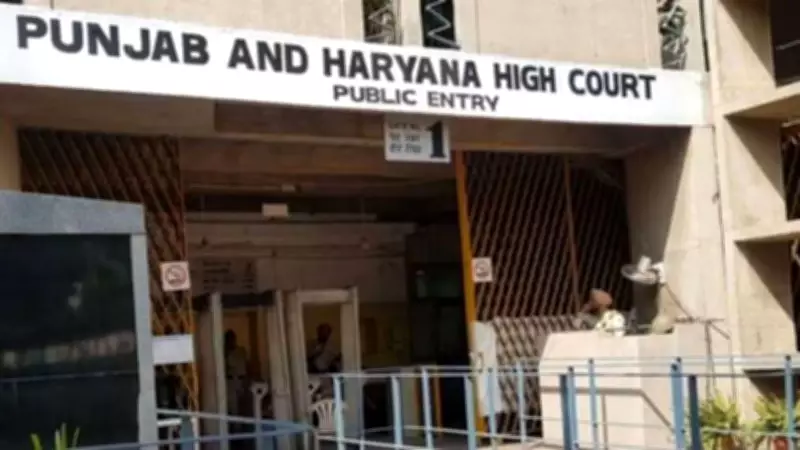
In a significant ruling aimed at balancing urban development with environmental conservation, the Punjab and Haryana High Court has partially relaxed its interim ban on tree cutting across Punjab. This decision paves the way for the construction of essential rotary intersections in SAS Nagar (Mohali), a move designed to alleviate severe traffic congestion and enhance road safety in the rapidly growing city.
Court's Rationale and Key Infrastructure Projects
The Bench, led by Chief Justice Sheel Nagu, examined detailed inspection reports from a court-appointed commission before granting the relaxation. The court emphasized that the removal of a limited number of trees at three specific rotary sites on PR-7 Road is necessary for smooth traffic movement and public safety. These critical junctions include:
- Sector 67/68/79/80 intersection
- Sector 68/69/78/79 intersection
- Sohana junction
The interim ban had been imposed earlier during a Public Interest Litigation hearing, where individuals challenged the Greater Mohali Area Development Authority's (GMADA) plans to cut trees for road infrastructure development. The court stated explicitly that "to the extent indicated above, the interim order of imposing a ban on cutting of trees stands relaxed."

Environmental Safeguards and Compensatory Measures
In a connected case involving a proposed mall in Sector 62 near YPS Chowk, the court imposed strict safeguards. While restraining developer Phoenix Mills Limited from cutting 41 fully grown boundary trees, it permitted the removal of two peepal (sacred fig) trees located centrally in the project area. One peepal tree on the side must be protected and retained.
The court took note of the company's undertaking and directed Phoenix Mills Ltd to plant 5,000 trees across Punjab during the upcoming monsoon season, with a compliance report required. For the rotary projects, GMADA must carry out compensatory plantation at ten times the number of trees cut, using public land such as highways, parks, and public-use areas during monsoon.
The Advocate General of Punjab informed the court that compensatory afforestation would occur at Mullanpur in SAS Nagar, ensuring ecological balance is maintained despite the necessary infrastructure development.
Additional Relaxations and Future Proceedings
The Bench also relaxed the ban to allow farmers to cut eucalyptus and poplar trees grown on private land for industrial purposes, such as paper and plywood production. This decision acknowledges agricultural and economic needs while maintaining environmental oversight.
The court has directed all concerned authorities to file compliance reports and listed the matter for further hearing on March 5, ensuring ongoing judicial supervision of both development and environmental commitments.
Political and Community Response
MLA Kulwant Singh welcomed the development, stating, "The stay has been lifted and the construction of junctions and chowks, which had stopped earlier, will now restart and the work will be taken up on a war footing, as it is the need of the hour due to heavy traffic." He added that work on the remaining two roundabouts will begin soon, expressing hope that once completed, traffic on Airport Road will become significantly smoother.
With the stay now relaxed, this decision is expected to expedite the construction of key chowks in Mohali, contributing to improved traffic management and enhanced urban infrastructure. The ruling demonstrates a careful judicial approach to modernizing cities while safeguarding environmental interests through mandatory replanting and strict compliance mechanisms.