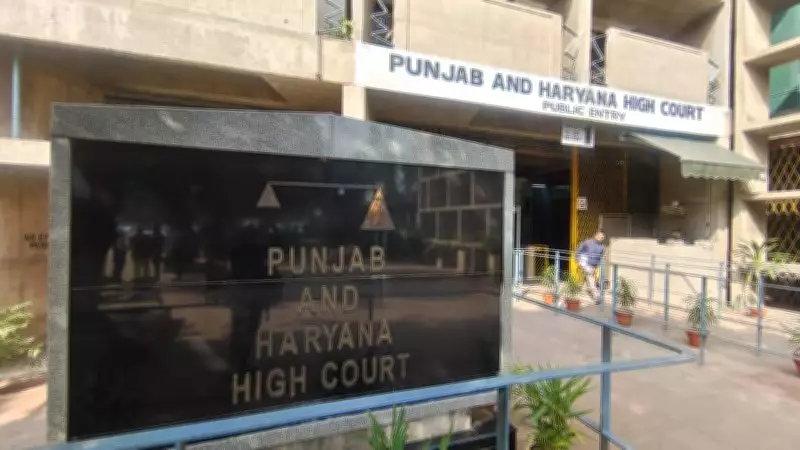
High Court Delivers Justice After 38 Years, Restores Lineman's 1988 Promotion
In a remarkable verdict that underscores the principle of justice delayed but not denied, the High Court has restored the promotion of a lineman that was due to him back in 1988. This decision comes after a protracted legal battle spanning 38 years, initiated following the lineman's amputation, which had unjustly stalled his career advancement and financial dues.
A Long-Awaited Resolution for the Lineman
The case revolves around a lineman who suffered an amputation, an event that tragically altered his life and professional trajectory. Despite being eligible for a promotion in 1988, the lineman was denied this advancement, leading to decades of financial hardship and legal wrangling. The High Court's ruling now rectifies this historical injustice, ordering the concerned authorities to implement the promotion retrospectively.
Key aspects of the court's order include:
- Restoration of the promotion effective from the original date in 1988.
- Payment of all arrears accrued over the 38-year period.
- An interest rate of 6% per annum on the arrears, to be calculated and disbursed.
- A strict timeline of four months for the authorities to comply with the order and settle the dues.
Financial Implications and Legal Precedent
The financial restitution ordered by the court is substantial, reflecting the prolonged denial of the lineman's rightful earnings. The arrears, compounded with 6% interest, aim to provide some measure of compensation for the decades of lost income and opportunities. This case sets a significant legal precedent, emphasizing that delays in administrative or judicial processes should not deprive individuals of their entitlements, especially in matters of employment and promotion.
The court's directive to complete the payment within four months underscores the urgency of addressing such long-pending grievances. It sends a clear message to employers and government bodies about the importance of timely justice and adherence to contractual and statutory obligations.
Broader Impact on Employee Rights and Disability Advocacy
This ruling has broader implications for employee rights, particularly for those with disabilities. By upholding the lineman's promotion claim post-amputation, the High Court reinforces the rights of differently-abled individuals to equal treatment and career progression. It highlights the need for robust legal frameworks and prompt grievance redressal mechanisms to prevent such prolonged battles in the future.
The case also draws attention to the challenges faced by workers in essential services, like linemen, who often risk their lives and health. Ensuring their welfare and fair treatment is crucial for maintaining morale and justice in the workforce.
In conclusion, the High Court's decision to restore the lineman's 1988 promotion after 38 years is a testament to the resilience of the judicial system in correcting historical wrongs. It serves as a reminder that justice, though sometimes slow, must ultimately prevail, providing hope and vindication for others in similar protracted disputes.