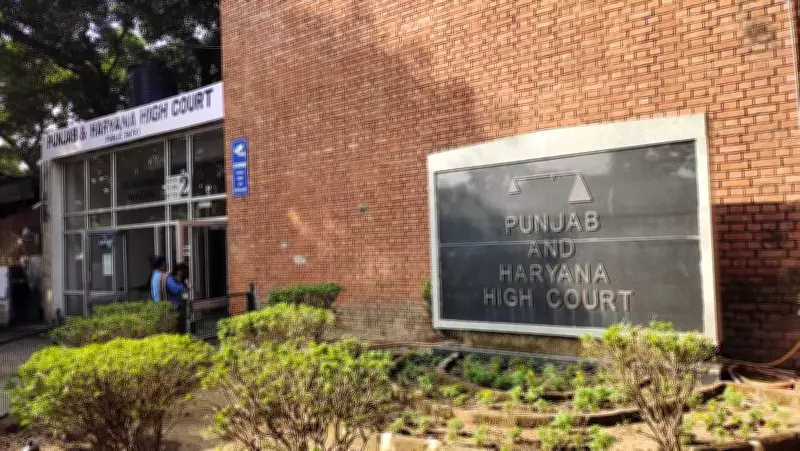
High Court Overturns Death Penalty in Ludhiana Child Rape-Murder Case
The Punjab and Haryana High Court has made a significant ruling by setting aside the death penalty for two individuals convicted in a horrific child rape and murder case from Ludhiana. The court's decision was based on a critical finding that the prosecution failed to properly present evidence during the trial, which the judges stated resulted in a miscarriage of justice.
Court's Rationale for Overturning the Sentence
In its detailed judgment, the High Court emphasized that the principle of "evidence not put, justice not done" was central to this case. The bench observed that key pieces of evidence were either not submitted or were inadequately presented before the lower court, which compromised the fairness of the trial. This procedural lapse, according to the court, undermined the conviction and the subsequent imposition of the capital punishment.
The case involved the brutal rape and murder of a young child in Ludhiana, which had sparked widespread outrage and led to the initial death sentences. However, the High Court's review highlighted serious flaws in the legal process. The judges noted that without the proper establishment of evidence beyond reasonable doubt, the foundation for such a severe penalty was legally unsound.

Implications for the Legal System
This ruling underscores the importance of meticulous evidence presentation in capital cases, especially those involving heinous crimes like child rape and murder. The High Court's decision serves as a reminder that while the gravity of the offense demands stern action, the judicial process must adhere strictly to legal standards to ensure justice is served correctly.
The court has directed a re-evaluation of the case, potentially leading to a retrial or revised sentencing based on the proper submission of evidence. Legal experts suggest that this move could set a precedent for similar cases, emphasizing the need for thorough prosecution to avoid such reversals.
Public reaction to the verdict has been mixed, with some expressing relief over the adherence to legal principles, while others are concerned about the delay in justice for the victim's family. The case continues to highlight the challenges in balancing swift justice with procedural integrity in India's legal framework.