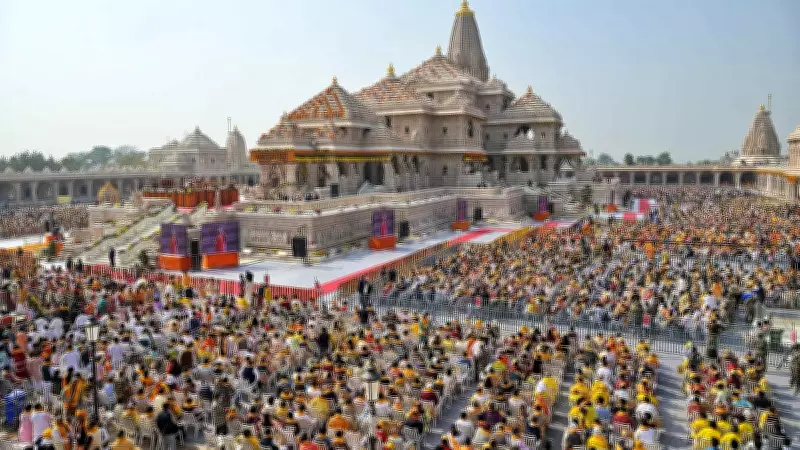
The Chief Executive Officer (CEO) of the Ayodhya Ram Temple will operate under the direct supervision of the Shri Ram Janmabhoomi Teerth Kshetra Trust, according to a statement released on July 12, 2026. The announcement clarifies the administrative structure of the temple, emphasizing that the CEO's role is to implement the Trust's decisions and ensure transparency.
CEO's Role and Responsibilities
The Trust stated that the CEO will be responsible for the day-to-day management of the temple, including overseeing construction, maintenance, and daily operations. However, all major decisions will require approval from the Trust. Sanjay Pandey, a spokesperson for the Trust, said, "Ensuring the trust of devotees will be among the primary responsibilities of the CEO." This statement underscores the Trust's commitment to maintaining public confidence in the temple's administration.
The CEO will also coordinate with various government agencies and contractors involved in the temple's ongoing construction. The temple, located in Ayodhya, Uttar Pradesh, is a major religious and cultural project for India.

Background of the Trust
The Shri Ram Janmabhoomi Teerth Kshetra Trust was established by the Indian government in February 2020 to oversee the construction and management of the Ram Temple. The Trust is chaired by Mahant Nritya Gopal Das and includes prominent religious and political figures. The decision to place the CEO under the Trust's supervision aligns with the original mandate of the Trust to have ultimate authority over temple affairs.
This move is seen as a step to ensure accountability and prevent any unilateral decisions by the CEO. The Trust will regularly review the CEO's performance and compliance with its directives.
Impact on Devotees
By ensuring that the CEO operates under Trust supervision, the administration aims to build greater trust among devotees. The temple is expected to attract millions of pilgrims annually, and efficient management is crucial. The Trust has assured that all funds donated for the temple will be used transparently, with the CEO reporting financial details to the Trust periodically.
The announcement comes amid ongoing construction work, which is progressing on schedule. The temple is expected to be completed by 2027, with the main sanctum sanctorum already completed.