Election Date Announced
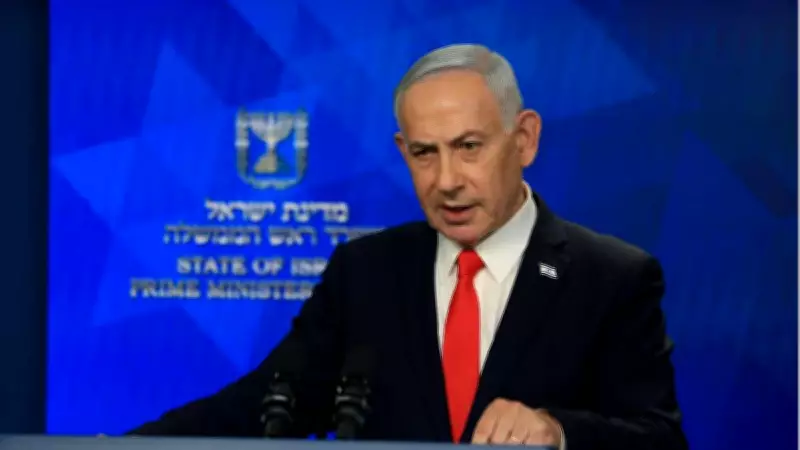
Israel is set to hold elections for the Knesset, its parliament, on October 27, 2026. The announcement was made by the Israeli government on July 12, 2026, marking a pivotal moment in the nation's political landscape. Prime Minister Benjamin Netanyahu, who has been in office for multiple terms, will be seeking re-election as he faces both domestic and international challenges.
Netanyahu's Campaign Strategy
Prime Minister Benjamin Netanyahu, a veteran leader of the Likud party, is expected to campaign on a platform of security and economic stability. According to political analysts, Netanyahu will emphasize his government's achievements, including recent infrastructure projects and diplomatic breakthroughs. However, he also faces criticism over corruption allegations and a deepening political divide within the country.
Key Issues at Stake
The upcoming election will be fought over several critical issues. Security remains a top concern, especially with ongoing tensions in the region. The economy is another major factor, as Israel grapples with inflation and housing costs. Additionally, judicial reform has become a contentious topic, with protests earlier in the year over proposed changes to the Supreme Court's powers. These issues are expected to dominate campaign debates.

Opposition Parties Unite
Opposition parties, including Yesh Atid led by Yair Lapid and the National Unity party led by Benny Gantz, have been working to form alliances to unseat Netanyahu. Lapid stated, "This election is about the future of Israeli democracy. We must ensure that no leader is above the law." The opposition is banking on voter dissatisfaction with Netanyahu's long tenure and legal troubles.
Electoral System and Voter Turnout
Israel's parliamentary system requires parties to secure at least 3.25% of the vote to enter the Knesset. In the last election in 2022, voter turnout was 71.5%, and analysts expect a similar or higher turnout in 2026 given the high stakes. The election will use a proportional representation system, making coalition-building essential for forming a government.
International Implications
The election outcome will have significant implications for Israel's foreign relations, particularly with the United States, European Union, and neighboring countries. Netanyahu's government has pursued closer ties with Gulf states through the Abraham Accords, while also facing criticism over settlement expansion. The new government's stance on the Palestinian issue will also be closely watched.
Conclusion
As October 27 approaches, both Netanyahu and his challengers are intensifying their campaigns. The election is expected to be closely contested, with polls showing a tight race. The result will determine whether Netanyahu secures another term or if Israel sees a change in leadership after years of his dominance.