Strains in the Transatlantic Bond
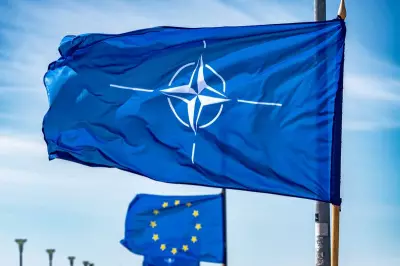
The American alliance network, long the bedrock of global security, is showing signs of wear. Allies are increasingly questioning the reliability of US commitments, prompting a shift toward greater strategic independence. This trend, evident in Europe and Asia, reflects deeper structural changes in the international order.
Recent events have underscored the limits of American power. The chaotic withdrawal from Afghanistan in 2021, for instance, eroded trust among allies. European partners felt blindsided, while Asian allies like Japan and South Korea reconsidered their reliance on US security guarantees. According to a 2023 Pew Research Center survey, only 41% of Germans and 36% of French now view the US as a reliable partner, down from 52% and 49% respectively in 2020.
The European Pivot to Autonomy
Europe has taken concrete steps toward defense self-sufficiency. The European Union’s Strategic Compass, adopted in March 2022, aims to bolster rapid response capabilities and reduce dependence on US forces. France has been a vocal advocate, with President Emmanuel Macron calling for a "European strategic autonomy" that includes a common defense industrial base.

Germany’s Zeitenwende (turning point) policy, announced after Russia’s invasion of Ukraine, commits €100 billion to modernize the Bundeswehr. However, this spending spree also highlights a desire to balance US influence. A German official, speaking anonymously, noted: "We need to be able to defend ourselves, not just rely on Washington."
Asia’s Search for Balance
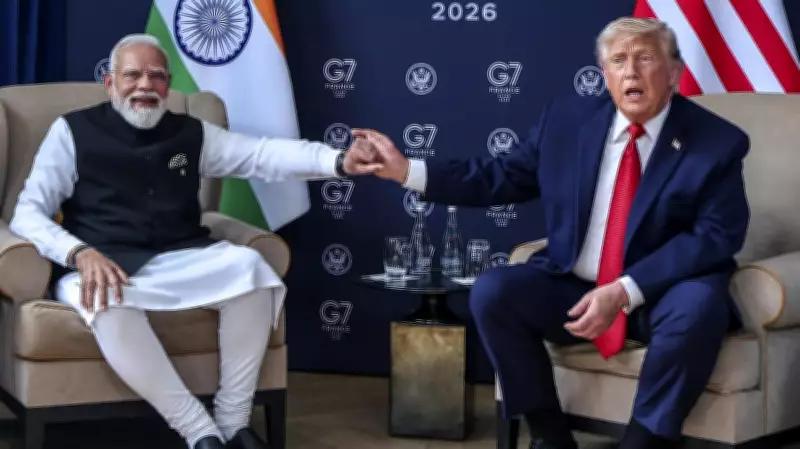
In Asia, the US alliance system faces similar pressures. The Quad (US, Japan, Australia, India) has seen increased cooperation, but member states are hedging their bets. India, for example, maintains close ties with Russia and has not joined the US-led sanctions against Moscow. Japan’s new National Security Strategy, released in December 2022, emphasizes "proactive pacifism" but also seeks to diversify its partnerships, including with like-minded European nations.
South Korea, under President Yoon Suk Yeol, has strengthened the US alliance, yet there is growing public sentiment for a more independent foreign policy. A 2023 Gallup Korea poll found that 34% of South Koreans support the development of nuclear weapons, reflecting doubts about the US nuclear umbrella.
Economic Dimensions and Technological Competition
The economic underpinnings of alliances are also shifting. The US Inflation Reduction Act (IRA) has irked European allies with its subsidies for American-made electric vehicles and batteries. French Finance Minister Bruno Le Maire warned of a "conflict of interest" between the US and Europe, while German Economy Minister Robert Habeck called for a "level playing field."
Technological competition, particularly with China, adds another layer. The US has imposed strict export controls on semiconductors and AI technology, pressuring allies to follow suit. However, some nations, like the Netherlands (home to ASML), are wary of harming their own industries. A Dutch trade official stated: "We support security goals, but we must also protect our economic interests."
The Future of Alliances
The limits of the American alliance are not a sign of its imminent collapse but rather an evolution. Allies are no longer content to be passive partners; they seek a more multipolar world where their voices carry equal weight. The US must adapt to this new reality by offering more flexible and reciprocal arrangements.
As former US diplomat Richard Haass noted, "The challenge for Washington is to manage alliances in a way that acknowledges the rise of others without undermining the collective security framework." This will require a delicate balance between leadership and partnership, as the era of unquestioning loyalty gives way to transactional diplomacy.