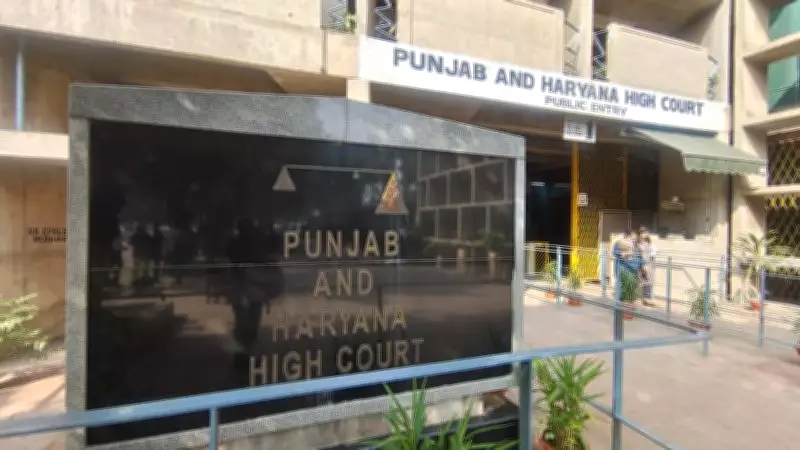
The Punjab and Haryana High Court has vacated an interim order that had halted the promotion of principals in Punjab government schools. A division bench of Justice Harsimran Singh Sethi and Justice Amarinder Singh Grewal admitted a bunch of petitions challenging the recruitment process and directed that the cases be heard within six months. The court clarified that any promotions made during the pendency of the petitions would be subject to the final outcome.
Petitioners challenge recruitment over TET requirement
The petitioners had challenged the recruitment of principals and other administrative staff on the ground that candidates should be required to have qualified the Teacher Eligibility Test (TET). They argued that TET, mandated under the Right of Children to Free and Compulsory Education Act, 2009, is essential for all school staff involved in teaching.
State argues posts are administrative
Representing the state, Senior Additional Advocate-General Anu Chatrath, along with counsel Ratik Chatrath Kapur, submitted that the posts in question are administrative in nature, not teaching positions. She noted that while incumbents might occasionally teach as a temporary arrangement, the primary role remains administrative. The state further cited the Supreme Court judgment in Anjuman Ishaat-e-Taleem Trust, which held that TET applies only to teachers engaged in teaching Classes 1 to 8.

Court cites administrative difficulties
The bench observed that the issue required further consideration. It vacated the interim relief granted by a coordinate bench on December 18, 2025, stating: "The interim relief granted by the coordinate bench of this court vide order dated December 18, 2025, stands vacated as in the absence of a Principal in a school, functioning is affecting and due to the interim order passed, no promotion has been made. Larger interest of the school and the administration has to be kept in mind and the state is on record to contend that in the absence of a regular Principal, administration is facing difficulty." The court protected the rights of the parties by clarifying that any promotions made during the pendency of the petitions will be subject to the final outcome of the cases.