

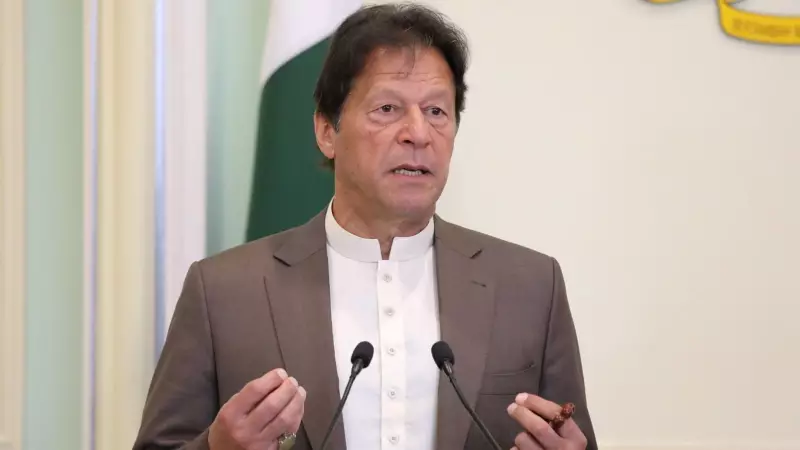
The city of Rawalpindi in Pakistan was placed under a stringent security blanket on Saturday, with authorities deploying a large contingent of police personnel across the city. This move came in direct response to a call for nationwide protests issued by the incarcerated former Prime Minister and Pakistan Tehreek-e-Insaf (PTI) founder, Imran Khan.
Security Grid Locked Down Ahead of Planned Demonstrations
The call for protest was made by Imran Khan from Adiala Jail, where he is currently imprisoned. He urged his supporters to take to the streets against what he termed "brazen rigging" in the February 8 general elections. Anticipating a significant turnout, the Rawalpindi police administration took pre-emptive measures to maintain public order.
Heavy deployments of police forces were reported around sensitive locations, including the Adiala Jail complex itself, the Rawalpindi Bench of the Lahore High Court, and other important government buildings and intersections. The police presence was visibly heightened, with officials stating that the arrangements were made to prevent any untoward incidents and ensure the security of vital installations.

Imran Khan's Allegations and the Political Context
The core of the current political turmoil stems from the vehement allegations leveled by Imran Khan and his PTI party. They have consistently claimed that the results of the 2024 general elections were massively manipulated to deny them a victory. Despite these claims, the party-backed independent candidates managed to secure the highest number of seats in the National Assembly.
However, the subsequent government formation saw a coalition of rival parties, including the Pakistan Muslim League-Nawaz (PML-N) and the Pakistan Peoples Party (PPP), come to power. This outcome has fueled persistent protests from PTI supporters who believe their mandate was stolen. Khan's latest call for protests from jail is seen as an attempt to reignite public pressure on the current administration.
Legal proceedings against the former Prime Minister are also ongoing. A special court recently resumed hearings in the cipher case, which involves allegations of mishandling state secrets. Khan and former Foreign Minister Shah Mahmood Qureshi are the primary accused in this case.
Public Response and Future Implications
While the police made extensive preparations, the immediate public response to Khan's call in Rawalpindi on Saturday appeared muted, likely due to the overwhelming security measures in place. The situation, however, remains fluid and tense. The heavy police deployment underscores the government's apprehension about the potential for large-scale unrest spearheaded by the PTI's still-significant support base.
This development highlights the continuing political instability in Pakistan following the contentious elections. The standoff between the imprisoned populist leader and the state machinery shows no signs of abating. The government's strategy of pre-emptive security lockdowns faces off against the PTI's strategy of mobilizing public dissent through calls from jail. How this dynamic unfolds will be critical for Pakistan's immediate political future, testing both the resilience of its democratic processes and its law and order capabilities.
Analysts suggest that such confrontational tactics from both sides could lead to further polarization. The coming days will reveal whether the protest calls translate into sustained mass movements or are contained by state action, setting the tone for the next phase of political struggle in the country.






