

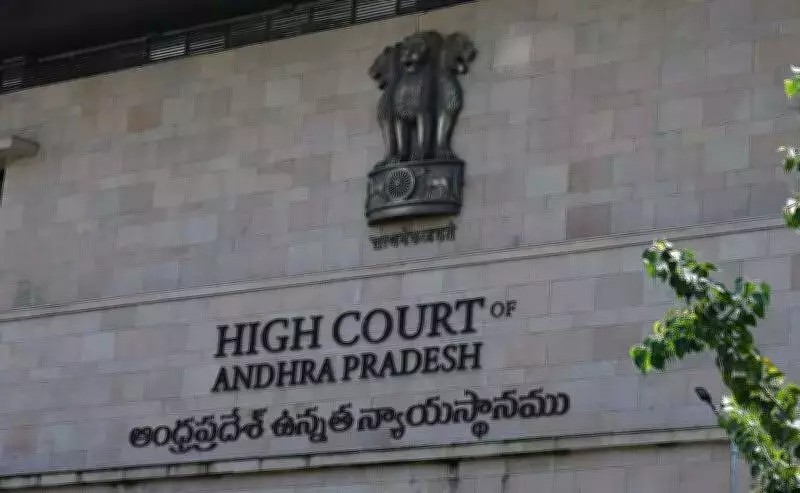
High Court Partially Modifies Bail Order in Andhra Pradesh Liquor Scam Case
The Andhra Pradesh High Court on Friday delivered a significant ruling in the alleged liquor scam case, partially modifying the bail order granted to YSRCP MP P Midhun Reddy by the ACB court. However, the court declined to cancel the bail, maintaining a balance between legal rights and investigative integrity.
CID's Objections and Legal Arguments
The Crime Investigation Department (CID) had moved the High Court, raising specific objections to the ACB court's bail order. The CID argued that certain observations in the order were hampering the entire investigation into the liquor scam case. Senior counsels Siddharth Luthra and Siddharth Agarwal, representing the CID, contended that the investigation regarding Midhun Reddy's role was not yet concluded.
They emphasized that the Special Investigation Team (SIT) had not filed a charge sheet on his alleged involvement, yet the trial court's bail order incorrectly stated that the investigation was completed. This discrepancy, they argued, could set a problematic precedent for other accused seeking bail on similar grounds, potentially weakening the ongoing probe.

Key Issues Raised by the CID
- The CID objected to the trial court's observations that Google Takeout data and statements recorded under Sections 161 and 164 of the Criminal Procedure Code should not be considered as evidence.
- They warned that such interpretations could be exploited by other defendants, further complicating the investigation.
- The CID sought the cancellation of Midhun Reddy's bail to ensure a thorough and unimpeded inquiry into the liquor scam allegations.
High Court's Ruling and Implications
After considering arguments from both sides, Justice Venkata Jyothirmayee Prathapa of the High Court made a nuanced decision. While declining to cancel the bail granted to Midhun Reddy, the court set aside specific portions of the ACB court order to which the CID had raised objections. This partial modification aims to address the investigative concerns without overturning the bail entirely, reflecting a careful judicial approach to balancing legal procedures and investigative needs.
The ruling underscores the complexities in high-profile corruption cases, where courts must navigate between protecting individual rights and ensuring effective law enforcement. It also highlights the ongoing legal battles in Andhra Pradesh's political landscape, with the liquor scam case continuing to draw significant attention from authorities and the public alike.






