

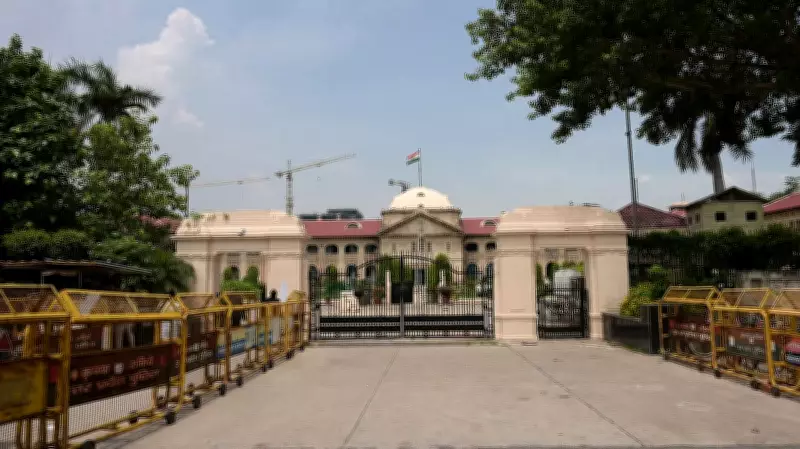
Allahabad High Court Delivers Landmark Ruling on Mosque Worship
The Allahabad High Court has issued a significant judgment stating that the government does not possess the authority to impose restrictions on the number of worshippers permitted to gather in a mosque. This decision comes after the court heard arguments from the state counsel, who cited perceived law and order issues as the basis for such restrictive measures.
State's Argument Based on Law and Order Concerns
During the proceedings, the counsel representing the State of Uttar Pradesh argued that the order limiting the number of worshippers was enacted due to concerns over potential law and order situations. The state contended that such restrictions were necessary to prevent disturbances and maintain public peace in sensitive areas.
However, the High Court found this justification insufficient and ruled against the imposition of such limits. The court emphasized that the right to practice religion freely, as enshrined in the Constitution, cannot be arbitrarily curtailed by administrative orders without compelling evidence of imminent threat.

Implications for Religious Freedom and Governance
This ruling reinforces the legal protections afforded to religious practices in India, particularly in the context of communal worship. The court's decision underscores that:
- Government actions must be based on concrete evidence rather than perceived threats.
- Religious freedoms are paramount and require robust justification for any infringement.
- Administrative orders impacting worship must adhere to constitutional principles.
The judgment is expected to set a precedent for similar cases across the country, balancing state authority with individual religious rights. Legal experts suggest that this ruling may influence how law enforcement agencies approach crowd management during religious events, ensuring that measures are proportionate and legally sound.
Background and Context
The case arose from a petition challenging government orders that sought to limit the number of devotees in mosques, citing security and public order concerns. The Allahabad High Court's thorough examination of the matter highlights the judiciary's role in safeguarding fundamental rights against overreach by executive authorities.
This development is particularly relevant in Uttar Pradesh, where religious gatherings often involve large congregations. The court's decision provides clarity on the limits of governmental power in regulating such assemblies, ensuring that any restrictions are justified by genuine and substantiated risks.






