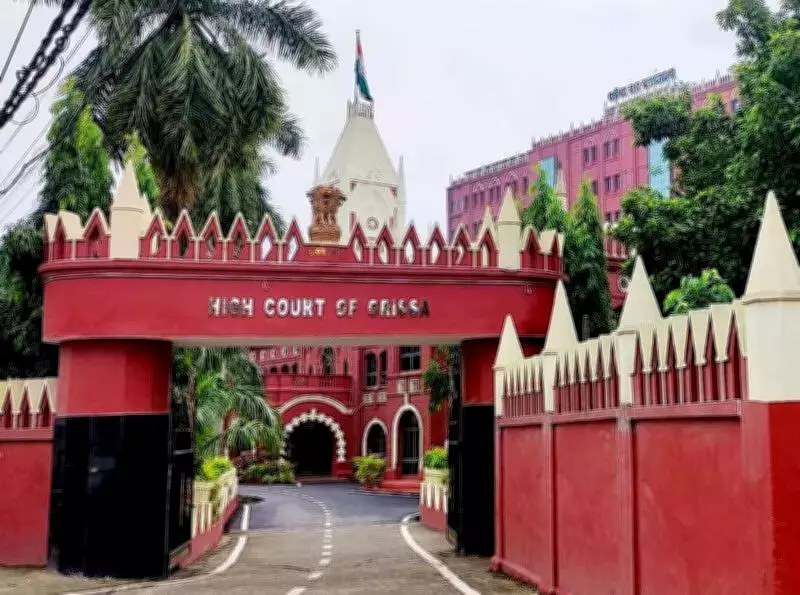
Orissa High Court Directs Berhampur University to Issue NOC for VC Post Applicant
In a significant ruling, the Orissa High Court has intervened to address the procedural hurdles faced by an academic seeking a top university position. On Wednesday, the court issued a directive to the registrar of Berhampur University (BU), mandating the examination and resolution of Dr Sadananda Naik's grievance within a strict three-working-day timeframe.
Background of the Case
Dr Sadananda Naik, an associate professor in the history department at Berhampur University, filed a writ petition after the university authorities allegedly failed to provide him with essential certificates required for his application to the vice-chancellor (VC) post at Odia University in Satyabadi, Puri. According to the advertisement for the VC position, applicants must submit a no-objection certificate (NOC) and a "no charges pending" clearance certificate from their current employer to appear before the search-cum-selection committee.
Naik had applied for the role and received a letter dated February 5, 2026, inviting him to appear before the selection committee on February 16 in Bhubaneswar. Despite repeated requests, BU did not issue the necessary documents, prompting him to seek judicial recourse. This is not the first time Naik has faced such an issue; he previously applied for the VC post at Maa Manikeswari University in Bhawanipatna but was unable to participate due to similar non-issuance of certificates.

Court's Ruling and Directives
Justice Aditya Kumar Mohapatra, presiding over the case, disposed of the writ petition at the admission stage, noting the limited nature of the grievance. The court ordered the registrar of Berhampur University to promptly examine Naik's request and, if no legal impediments exist, issue the NOC and clearance certificate in accordance with the university's extant rules within three working days.
Furthermore, the court specified that the registrar should act upon production of an authenticated web copy of the order, ensuring swift compliance. This directive aims to prevent any further delays that could jeopardize Naik's candidacy for the vice-chancellor position, emphasizing the importance of timely administrative actions in academic appointments.
Implications and Broader Context
This case highlights ongoing challenges in the academic sector regarding bureaucratic delays and their impact on career advancements. The high court's intervention underscores the judiciary's role in safeguarding procedural fairness and ensuring that qualified individuals are not hindered by administrative lapses. It also serves as a reminder to educational institutions to adhere to their own rules and timelines, particularly in high-stakes selection processes like those for vice-chancellor posts.
The ruling is expected to set a precedent for similar cases, promoting efficiency and transparency in university governance across Odisha and potentially beyond. As Dr Naik awaits the certificates, this decision may pave the way for smoother application processes for other academics seeking leadership roles in higher education institutions.