

Hyderabadis in Iran Express Growing Anxiety Amid Escalating Regional Tensions
A significant number of Hyderabad-origin residents living in Iran are experiencing heightened anxiety as regional tensions between Iran, the United States, and Israel continue to escalate dramatically. While many Hyderabadis are based in Tehran, substantial communities also reside in cities such as Qom and Shiraz, where the unfolding geopolitical situation is creating palpable fear and uncertainty.
Families Relocate to Safer Cities as Situation Intensifies
In recent days, numerous families have temporarily moved from the capital city of Tehran to relatively safer locations like Qom, which is approximately 150 kilometers away. Others have chosen to remain in Tehran, adopting a cautious wait-and-watch approach as the conflict dynamics evolve rapidly.
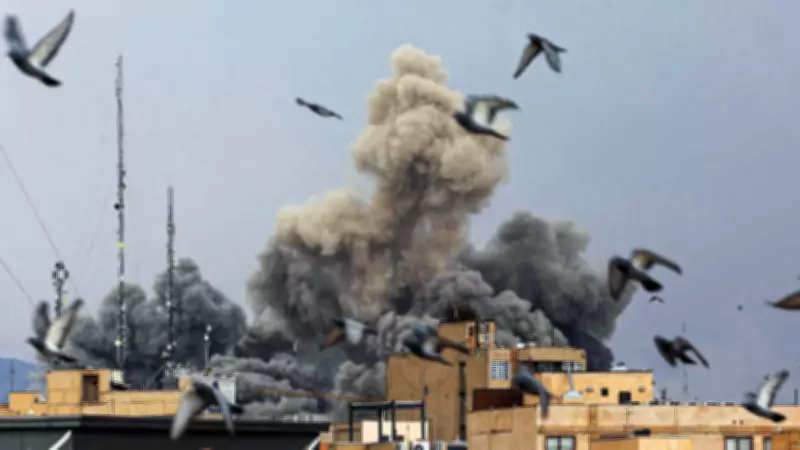
Tamjeed Haider (name changed), a resident of Khairtabad who operates a construction firm in Tehran's Punak area, described driving to Qom on Sunday evening with his wife to stay at his brother's residence. "The situation is very tense and escalating by the day. People are angry following the killing of Iran's Supreme Leader, Ayatollah Ali Khamenei, with protests continuing even during the mourning period. We anticipated some escalation after US military deployments in the region, but the frequency of attacks now sounds like firecrackers," he explained.

However, subsequent efforts to contact Haider were unsuccessful due to an internet blackout in the region, highlighting the communication challenges faced by expatriates during such crises.
Historical Migration Patterns and Current Realities
Over several decades, a considerable number of Hyderabadis have migrated to Iran for employment opportunities in diverse sectors including the dry fruit trade, pharmaceuticals, mining, and petrochemical industries. Additionally, many Indian Shia pilgrims from Hyderabad regularly visit Iran for religious purposes, further strengthening the cultural and economic ties between the regions.
Daily Life Disrupted by Sudden Explosions and Closures
Ayesha Fatima (name changed), originally from Banjara Hills and residing in Tehran's Yousef Abad for over eleven years, reported that the situation changed abruptly. "I was at home when we heard a loud explosion near Sohrevardi. Everything seemed normal moments earlier while nuclear talks were under way. Since then, we have stayed indoors. Unlike in Israel, we do not have bunker facilities in our homes. Schools and offices are closed, and only supermarkets and pharmacies remain open," she stated, noting that they are accessing the internet via Starlink due to local connectivity issues.
The disruption extends beyond personal safety concerns, affecting educational institutions, workplaces, and essential services, thereby compounding the stress experienced by the Hyderabad community.
Community Response and Future Outlook
Despite the prevailing uncertainty and fear, community members indicate that there is no immediate rush among Hyderabadis to return to India. Most individuals are hopeful that the situation will de-escalate soon, allowing them to resume their normal lives and professional activities without further disruption.
The collective sentiment reflects a blend of resilience and apprehension, as expatriates navigate the complexities of living in a conflict zone while maintaining connections to their homeland.






