Allahabad High Court Dismisses Solar Project Bribery Case Against IAS Officer
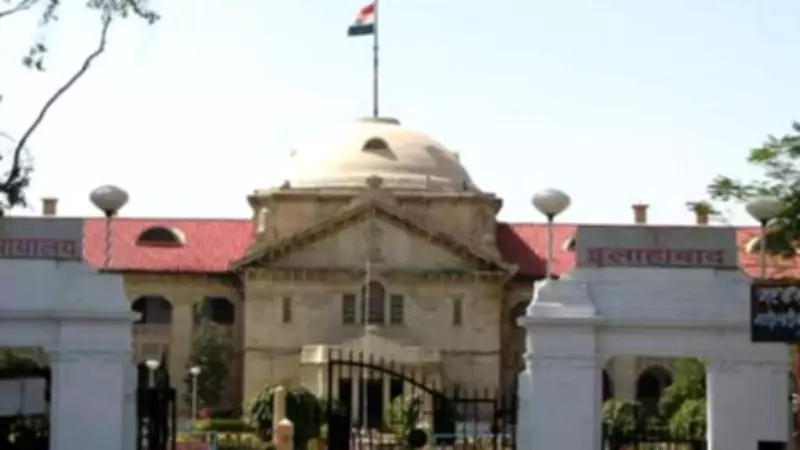
In a significant legal development, the Allahabad High Court has quashed a bribery case involving IAS officer Abhishek Prakash, which was connected to a solar energy project. The court's decision, delivered on February 10, 2026, clears the officer of all charges, marking a pivotal moment in a prolonged legal dispute that had cast a shadow over his career.
Details of the Case and Court's Ruling
The case against Abhishek Prakash stemmed from allegations of bribery related to a solar power initiative in Uttar Pradesh. According to the prosecution, Prakash was accused of accepting illicit payments to facilitate approvals for the project. However, the High Court, after reviewing the evidence and legal arguments, found the charges to be unsubstantiated and lacking merit.
The court emphasized that the evidence presented was insufficient to establish guilt beyond a reasonable doubt. It noted procedural irregularities in the investigation and highlighted that the allegations did not align with the documented facts of the project's execution. This ruling effectively nullifies the criminal proceedings against Prakash, who had been suspended pending the outcome of the case.

Implications for Abhishek Prakash's Career
With the quashing of the bribery case, Abhishek Prakash is now set to be reinstated to his position in the Indian Administrative Service. This reinstatement is expected to occur promptly, following the formalities required by government protocols. The decision restores his professional standing and allows him to resume his duties without the legal cloud that had hampered his career progression.
The reinstatement process will involve:
- Official notification from the state government to confirm the court's order.
- Reintegration into his previous or an equivalent administrative role.
- Clearance of any pending administrative actions related to the suspension.
Broader Context and Reactions
This case has drawn attention due to its implications for governance and anti-corruption efforts in Uttar Pradesh. Solar projects are critical for the state's renewable energy goals, and allegations of corruption can undermine public trust. The High Court's decision is seen as a reinforcement of judicial scrutiny in such matters, ensuring that accusations are backed by solid evidence.
Legal experts have welcomed the ruling, noting that it upholds the principle of innocence until proven guilty. Meanwhile, colleagues and supporters of Prakash have expressed relief, viewing the outcome as a vindication of his integrity. The case also highlights the challenges faced by civil servants in navigating complex projects while adhering to ethical standards.
As Abhishek Prakash prepares to return to service, this episode serves as a reminder of the importance of transparent and fair legal processes in upholding justice within the administrative framework.