Indian Aviation Hit by Middle East Crisis as Over 300 Flights Cancelled
In a significant disruption to international air travel, major Indian airlines were forced to cancel over 300 flights on Monday due to escalating geopolitical tensions in the Middle East. The cancellations primarily affected routes connecting India to key destinations across the volatile region, leaving thousands of passengers stranded and highlighting the vulnerability of global aviation networks to regional conflicts.
Widespread Disruption Across Major Carriers
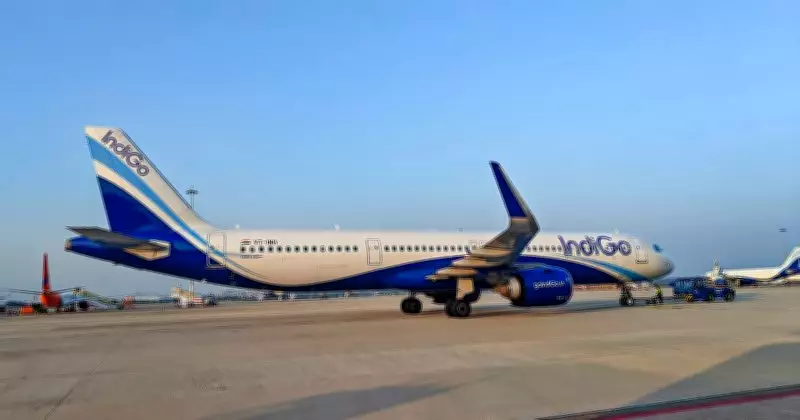
The flight cancellations impacted several prominent Indian carriers, including Air India, IndiGo, and Vistara, which collectively operate a substantial portion of India's international air traffic. Airlines cited operational and safety concerns as the primary reasons for the mass cancellations, with airspace restrictions and heightened security risks in parts of the Middle East making certain routes untenable. Passengers were notified through official channels, with many reporting last-minute changes to their travel itineraries.
Passenger Inconvenience and Financial Implications
The sudden cancellations have caused widespread inconvenience, with affected travelers scrambling to make alternative arrangements. Airlines have offered options such as rebooking on later flights, providing refunds, or rerouting through safer corridors, but the process has been fraught with delays and confusion. Economically, the cancellations represent a substantial financial blow to the aviation sector, which is already grappling with high fuel costs and post-pandemic recovery challenges. Industry experts estimate losses running into millions of dollars from grounded flights and compensation payouts.

Broader Impact on India-Middle East Connectivity
This incident underscores the critical role of the Middle East as a hub for Indian international travel, with millions of passengers, including expatriates and business travelers, relying on these routes annually. The turmoil has raised concerns about the long-term stability of air corridors in the region, potentially affecting trade, tourism, and diplomatic relations. Aviation authorities are closely monitoring the situation, with contingency plans being developed to mitigate future disruptions.
As tensions persist, travelers are advised to stay updated with airline announcements and consider flexible booking options. The event serves as a stark reminder of how geopolitical instability can swiftly ripple through global transportation systems, impacting economies and daily lives far beyond conflict zones.