

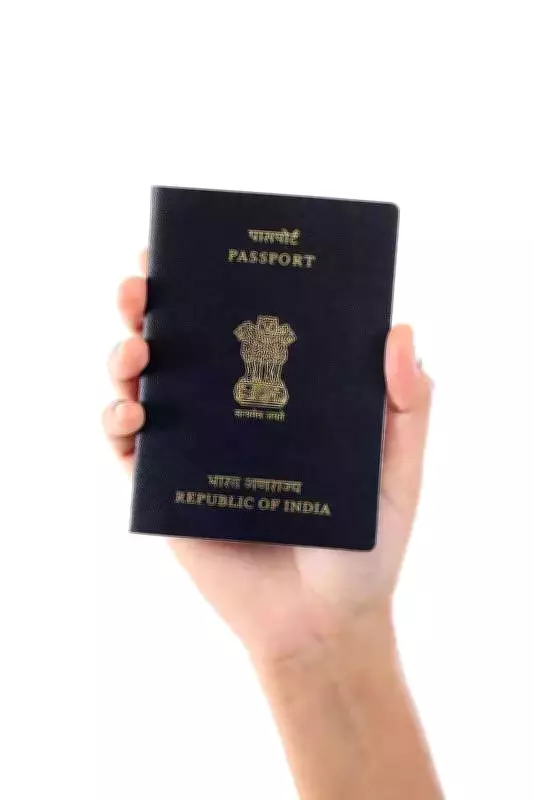
Rajkot Woman's 3-Year Struggle for Indian Passport Highlights Bureaucratic Maze
In a perplexing case that underscores the complexities of India's citizenship and passport regulations, Dolly Vadalia, a 26-year-old resident of Rajkot, Gujarat, has been embroiled in a frustrating three-year battle to obtain an Indian passport. Her goal is to reunite with her husband, an NRI working in Calgary, Canada, but she finds herself ensnared in a bureaucratic Catch-22 that has left her stranded and desperate for legal intervention.
The Core of the Citizenship Conundrum
Vadalia's predicament stems from her unique birth circumstances. She was born in Mozambique in the year 2000 to parents who were Indian citizens at the time. Due to a severe flood situation, her family was forced to flee Mozambique when she was merely 18 days old, returning to India on an emergency certificate issued by the Mozambican government. Despite being raised and educated entirely in India, and holding multiple valid Indian identity documents—including an Aadhaar card, PAN card, voter ID, and driving licence—she lacks formal proof of Indian citizenship required for passport issuance.
The crux of the issue is a circular dependency: to secure an Indian passport, Vadalia needs evidence of Indian citizenship. However, to obtain a citizenship certificate, authorities have demanded she produce a foreign passport, which she has never possessed. This paradoxical requirement has created an insurmountable barrier, leaving her in a state of limbo.

Legal Battle and Judicial Intervention
After exhausting all administrative avenues, Vadalia recently approached the Gujarat High Court, seeking urgent relief. Her legal petition outlines a series of futile attempts to comply with official directives. In 2023, her initial passport application was rejected because her birth was not registered with the Indian consulate in Mozambique, as mandated under Section 4 of the Citizenship Act.
Following advice from the Regional Passport Office, she diligently pursued the attestation of her birth certificate through the Mozambique High Commission in New Delhi and the Indian consulate in Mozambique. However, in a disheartening turn of events, she was informed on May 9, 2025, that the attested birth certificate alone was insufficient. Officials stipulated that she must provide either a birth registration certificate from the Indian Consulate in Mozambique, a certificate of registration of Indian citizenship, or a certificate of naturalisation.
When she approached the Rajkot collectorate for a citizenship certificate, presenting all gathered documents, the officer responded on May 13, 2025, by insisting on a foreign passport—a document she cannot obtain without first establishing her citizenship status elsewhere.
In response to her plea, Justice Aniruddha Mayee of the Gujarat High Court has directed the government lawyer to take appropriate steps and file an affidavit-in-reply regarding the communication dated May 5, 2025. The next hearing is scheduled for Friday, offering a glimmer of hope for resolution.
Broader Implications and Personal Toll
This case highlights significant gaps in the procedural framework for individuals born abroad to Indian parents, particularly in emergency situations. Vadalia's situation is not just a bureaucratic anomaly; it has profound personal consequences, delaying her ability to join her husband and build a life together in Canada.
Her story raises critical questions about the accessibility and clarity of citizenship verification processes, especially for those with atypical backgrounds. Despite filing income tax returns and fully integrating into Indian society, she remains trapped by paperwork, underscoring the need for more flexible and humane administrative practices.
As the legal proceedings continue, Vadalia's fight serves as a poignant reminder of the challenges faced by many in navigating complex immigration and citizenship laws, urging authorities to reconsider rigid requirements that can inadvertently penalize legitimate claimants.






