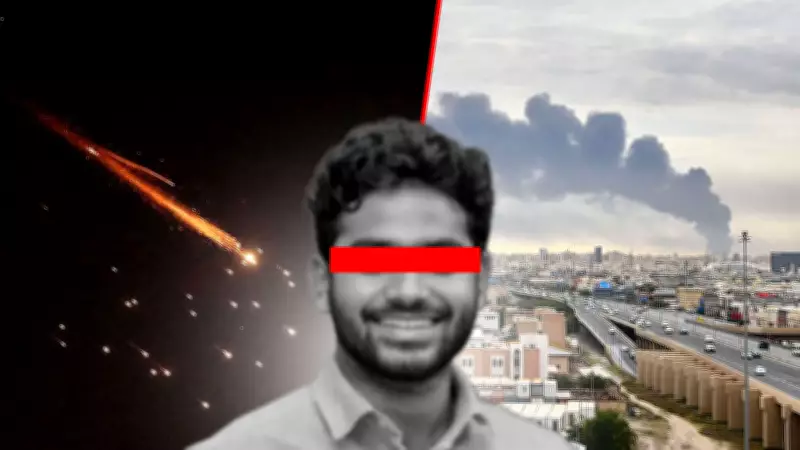
Indian Worker Killed in Iranian Strike on Kuwait Power and Water Desalination Facility
An Iranian military strike targeted a critical power and water desalination facility in Kuwait, resulting in the tragic death of an Indian worker and causing substantial material damage. The incident, confirmed by Kuwait's electricity ministry on Monday, has heightened regional tensions and raised serious concerns about energy security in the Gulf.
Ministry Spokesperson Details the Aggressive Attack
Fatima Abbas Jawhar Hayat, a spokesperson for Kuwait's electricity ministry, explicitly described the assault as an act of Iranian aggression. The strike specifically targeted a service building within the plant complex, leading to the fatality of the Indian national employed at the site. Beyond the human cost, the attack inflicted major structural damage to the infrastructure, disrupting operations at a facility vital for Kuwait's power and water supply.
Escalating Tensions and Broader Implications
This violent episode occurs against a backdrop of escalating geopolitical friction in the Gulf region. The strike not only represents a direct assault on Kuwait's sovereign infrastructure but also sends shockwaves through the international community. Countries across the globe are now closely monitoring the situation, assessing the potential ramifications for:

- Regional Stability: The attack threatens to destabilize an already volatile area, prompting fears of further military escalations.
- Global Energy Markets: Damage to key energy infrastructure in Kuwait could have ripple effects on oil and gas supplies, impacting global prices and security.
- Diplomatic Relations: The incident complicates diplomatic efforts in the Middle East, straining relations between Iran and neighboring Gulf states.
The loss of the Indian worker underscores the human toll of such conflicts, affecting international labor communities in the region. As investigations continue, the focus remains on securing the facility, supporting the victim's family, and navigating the complex geopolitical fallout from this aggressive act.