Iran Announces Breakthrough in Nuclear Negotiations with United States
In a significant diplomatic development, Iran's foreign minister has confirmed that substantial progress was made during nuclear talks with the United States, held in Geneva. This announcement comes at a time of heightened tensions, as conflicting statements from top leaders on both sides underscore the fragile nature of the negotiations.
Trump's Regime Change Comments and Khamenei's Defiant Response
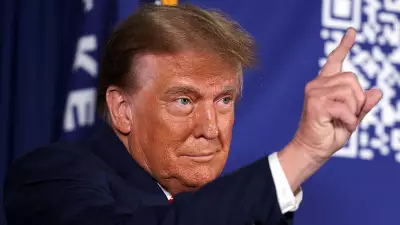
US President Donald Trump has publicly suggested that a "regime change" in Tehran might represent the most favorable outcome for regional stability. In a stark rebuttal, Iran's Supreme Leader Ayatollah Ali Khamenei declared on Tuesday that any American efforts to overthrow his government are destined to fail. This exchange highlights the deep-seated ideological divide that continues to complicate diplomatic efforts.
The Geneva talks were aimed at addressing long-standing disputes over Iran's nuclear program, with both sides seeking a path forward despite political obstacles. The foreign minister's positive assessment indicates that technical discussions may be advancing, even as political rhetoric remains confrontational.

Implications for International Relations and Nuclear Diplomacy
The progress reported in Geneva could signal a potential thaw in US-Iran relations, which have been strained for decades. However, experts caution that Trump's regime change remarks and Khamenei's defiant stance may undermine trust and hinder broader agreements. Key points from the discussions include:
- Enhanced verification mechanisms for nuclear facilities
- Proposals for sanctions relief in exchange for compliance
- Confidentiality agreements to protect sensitive negotiations
As the situation evolves, the international community is closely monitoring these developments, recognizing their impact on global security and Middle East dynamics. The outcome of these talks could reshape diplomatic strategies and influence regional alliances.