

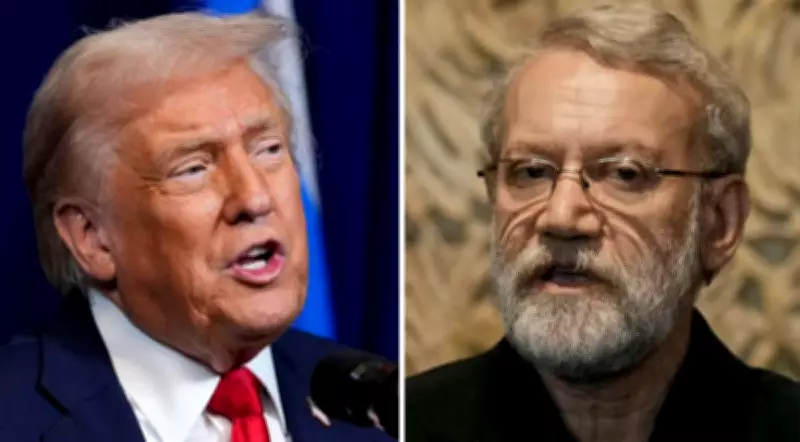
Iranian Official Issues Direct Warning to Former US President Donald Trump
A senior aide to Iran's Supreme Leader, Ayatollah Ali Khamenei, has delivered a pointed and public warning to former United States President Donald Trump, declaring that Iran "won't leave you alone". This statement, made by Khamenei's top advisor, Ali Akbar Velayati, marks a significant escalation in rhetoric between the two nations, reflecting deep-seated animosities that have persisted for years.
Details of the Warning and Its Context
The warning was issued in response to recent comments and actions by Trump, who has maintained a hardline stance against Iran throughout and after his presidency. Velayati, a key figure in Iran's political and foreign policy circles, emphasized that Iran holds Trump accountable for policies enacted during his administration, including the withdrawal from the Iran nuclear deal and the imposition of severe economic sanctions. This is not an idle threat but a reflection of our nation's resolve, Velayati implied, underscoring the seriousness with which Tehran views Trump's legacy.
Historical tensions between the US and Iran have been exacerbated by events such as the assassination of Iranian General Qasem Soleimani in 2020, ordered by Trump, which Iran has vowed to avenge. The current warning suggests that Iran's leadership continues to view Trump as a primary adversary, regardless of his current political status. Analysts note that this rhetoric aims to bolster domestic support in Iran while signaling defiance on the international stage.

Donald Trump's Defiant Response
In a swift and characteristically bold retort, former President Donald Trump responded to the warning with defiance. He dismissed the threat, reiterating his administration's achievements in countering what he described as "Iranian aggression". Trump's response highlighted his ongoing influence in US politics and his willingness to engage in public disputes with foreign leaders, even out of office.
Trump's statement also touched on broader US-Iran relations, advocating for continued pressure on Tehran to curb its nuclear ambitions and regional activities. This exchange underscores the volatile nature of US-Iran diplomacy, where personal animosities between leaders can quickly translate into geopolitical standoffs. Experts warn that such public spats could hinder future diplomatic efforts, especially as both countries navigate complex negotiations over nuclear agreements and regional stability.
Implications for US-Iran Relations and Global Politics
The warning and response come at a critical juncture, with ongoing talks about reviving the Iran nuclear deal and managing conflicts in the Middle East. Key implications include:
- Increased Tensions: The public exchange risks further inflaming tensions, potentially derailing diplomatic progress and leading to renewed confrontations.
- Domestic Politics: In Iran, such warnings may rally nationalist sentiments, while in the US, they could influence political debates ahead of elections.
- International Reactions: Allies and adversaries alike are closely monitoring the situation, as it affects global oil markets, security alliances, and non-proliferation efforts.
Observers note that while Trump is no longer in office, his continued prominence means that his interactions with foreign entities like Iran remain relevant. The incident highlights how personal dynamics between leaders can shape international relations, often with lasting consequences. As both sides dig in their heels, the path to reconciliation appears fraught with challenges, emphasizing the need for cautious diplomacy in the months ahead.






