Iranian Man's Final Video Urges Trump to Abandon Iran Deal Before Suicide
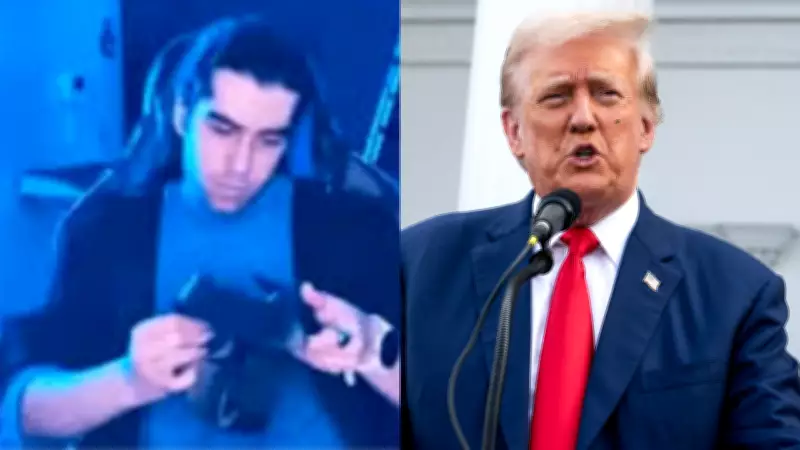
In a tragic and desperate appeal, a young Iranian man recorded a final video message in English, directly urging former US President Donald Trump to abandon any potential nuclear deal with Iran's leadership before he allegedly died by suicide. The incident has cast a stark light on the human cost of international diplomacy and the ongoing unrest in Iran.
Identity and Message of Pouria Hamidi
The man has been identified as Pouria Hamidi, a 28-year-old from Bushehr, a port city in southern Iran, according to reports from the news outlet Iran International. His video, which runs for approximately 10 minutes, was described as an attempt to draw global attention to what he termed a brutal government crackdown on protesters in Iran.
At the start of the recording, Hamidi somberly stated, "If you're watching this, then I'm not around anymore." He explained his drastic action, linking it to Trump's decision to enter nuclear negotiations with the Iranian regime. "Why? Because President Trump decided to enter a nuclear negotiation with the regime in Iran, breaking everyone's hopes and dreams, and rendering their sacrifices for nothing," he said, emphasizing the despair felt by many Iranians.

Claims of Violence and International Appeal
Hamidi claimed he was speaking on behalf of those killed during recent unrest in Iran, alleging that the scale of violence has been largely ignored by the international community. In a striking comparison, he asserted, "More than 40,000 people died, killed, massacred. More than Russia and Ukraine war and more than Israel and Palestine." This figure sharply contrasts with official Iranian accounts, highlighting the contentious nature of casualty reports.
Directly appealing to the US administration, Hamidi urged Washington to halt any negotiations with Tehran's ruling establishment. He warned American leaders that any diplomatic agreement would "betray all those people who died." Reflecting on past interactions, he added, "Trump told us to keep protesting, and we did. We trusted him," indicating a sense of betrayal among protesters who had looked to the US for support.
Call for Foreign Intervention and Support for Opposition
Expressing support for exiled opposition figure Prince Reza Pahlavi, Hamidi argued that Iranians are unable to confront the regime on their own. He made a poignant plea for external help, stating, "America attacking Iran is the only hope we have right now. We can't fight this regime alone. Our people need foreign intervention." This call underscores the desperation and perceived helplessness of some Iranians amid the crackdown.
Context of US-Iran Relations and Human Rights Concerns
Hamidi's appeal comes at a critical juncture when the United States has been exploring renewed engagement with Tehran. Although Trump had previously threatened action over Iran's handling of protests, Washington has since shown little indication that human rights concerns will play a major role in any fresh talks. This disconnect between diplomatic efforts and on-ground realities adds complexity to the situation.
Discrepancies in Casualty Figures
Iranian authorities have provided their own figures on the unrest, acknowledging that 3,117 people were killed. The government has published a list of 2,986 names, claiming most of the dead were security personnel or civilians caught in the violence. In contrast, the US-based Human Rights Activists News Agency reports it has verified 6,964 deaths, primarily protesters, and is investigating another 11,730 suspected cases. The organization has also documented more than 51,000 arrests in connection with the demonstrations, painting a grim picture of the crackdown's extent.
Hamidi's suicide and his heartfelt video message serve as a powerful reminder of the human toll behind geopolitical negotiations. As the world watches US-Iran diplomacy unfold, his plea highlights the urgent need to address human rights issues and the voices of those suffering in silence.