

IDF Special Forces and Intelligence: Israel's Crucial Role in US F-15 Crew Rescue from Iran
In a high-stakes international operation, Israel played a pivotal role in assisting the United States to rescue the crew of a downed F-15 fighter jet from Iranian territory. This incident, which occurred recently, underscores the deep and strategic military cooperation between the two allied nations, with Israel leveraging its specialized capabilities to ensure a successful outcome.
Intelligence Sharing and Coordination
The rescue mission was heavily reliant on real-time intelligence provided by Israeli agencies. Israel shared critical data on Iranian military movements, terrain analysis, and potential threat locations, enabling US forces to navigate the hostile environment effectively. This intelligence was gathered through advanced surveillance systems and cyber capabilities, showcasing Israel's expertise in regional security matters.
Coordination between Israeli and US command centers was seamless, with joint task forces established to manage the operation. This collaboration ensured that rescue efforts were synchronized, minimizing risks and optimizing resource allocation in a tense geopolitical context.

IDF Special Forces Involvement
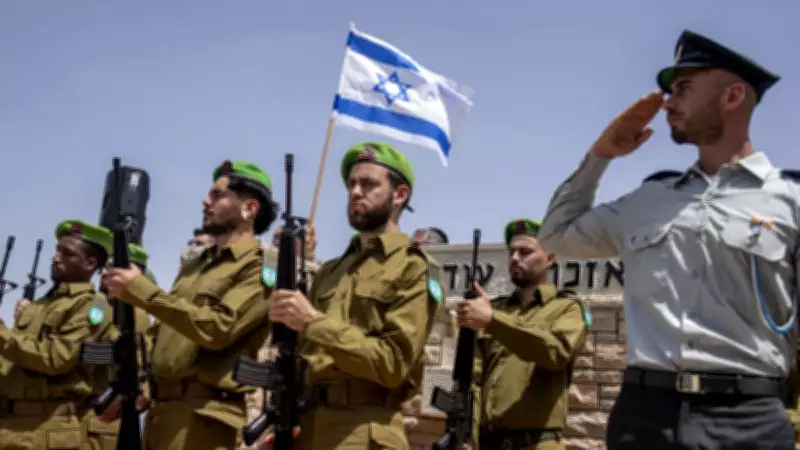
Israeli Defense Forces (IDF) special forces units were deployed to support the rescue, bringing their extensive experience in covert operations and hostile territory navigation. While the primary extraction was conducted by US personnel, IDF teams provided on-ground assistance, including reconnaissance, logistical support, and emergency medical aid if needed.
These units are trained for high-risk missions in the Middle East, making them invaluable in scenarios involving Iran. Their involvement highlights Israel's commitment to bolstering US military efforts and maintaining regional stability through direct action.
Technological and Logistical Support
Beyond personnel, Israel contributed advanced technology to the rescue operation. This included communication systems to maintain secure links between teams, drone surveillance for aerial oversight, and equipment for evading Iranian detection. Logistical support, such as supply chains and base facilities, was also provided to facilitate the mission's execution.
The use of cutting-edge tech ensured that the rescue was conducted with precision, reducing the likelihood of escalation or additional casualties in a volatile region.
Implications for US-Israel Relations
This operation reinforces the strong bilateral ties between the United States and Israel, particularly in defense and security. It demonstrates how Israel's strategic position and military prowess can complement US global operations, especially in areas like the Middle East where both nations share common interests.
Such collaborations are likely to continue, with potential impacts on future joint missions and intelligence-sharing agreements. The successful rescue also sends a message to adversaries about the capabilities and resolve of this alliance.
Broader Geopolitical Context
The incident occurs against a backdrop of ongoing tensions between Iran and Western powers, including disputes over nuclear programs and regional influence. Israel's assistance in this rescue may influence diplomatic dynamics, possibly leading to increased scrutiny of Iranian activities or enhanced security measures in the area.
It also highlights the risks of military engagements in conflict zones, where rapid response and international cooperation are essential for safeguarding personnel and de-escalating crises.
In summary, Israel's support in rescuing the US F-15 crew from Iran was multifaceted, involving intelligence, special forces, and technology. This operation not only saved lives but also cemented the operational synergy between two key allies, with lasting implications for regional security and global military partnerships.






