Jhalawar Police Seek Court Order to Attach Assets from Multi-Crore Cyber Fraud
In a significant crackdown on organized cybercrime, the Jhalawar police in Rajasthan have moved court to attach properties allegedly acquired through a massive multi-crore cyber fraud targeting government welfare schemes, including the PM-Kisan Samman Nidhi.
Major Racket Uncovered with 51 Arrests
Superintendent of Police Amit Kumar revealed that 51 persons, including the alleged kingpin, have been arrested so far in connection with what he described as one of the largest cyber frauds detected in the state. The racket operated in an organized manner over an extended period, systematically exploiting government systems.
"Operation Shutdown" launched on October 22 last year aimed to dismantle the sophisticated network. Investigators discovered that members of the racket performed defined roles, ranging from accessing beneficiary data and manipulating records to diverting funds and collecting commissions.
How the Fraud Was Executed
According to police findings, the accused pocketed agent commissions and inserted their own names and those of relatives into eligibility lists despite being ineligible for the schemes. The siphoned money was then invested in movable and immovable assets to conceal the illicit gains.
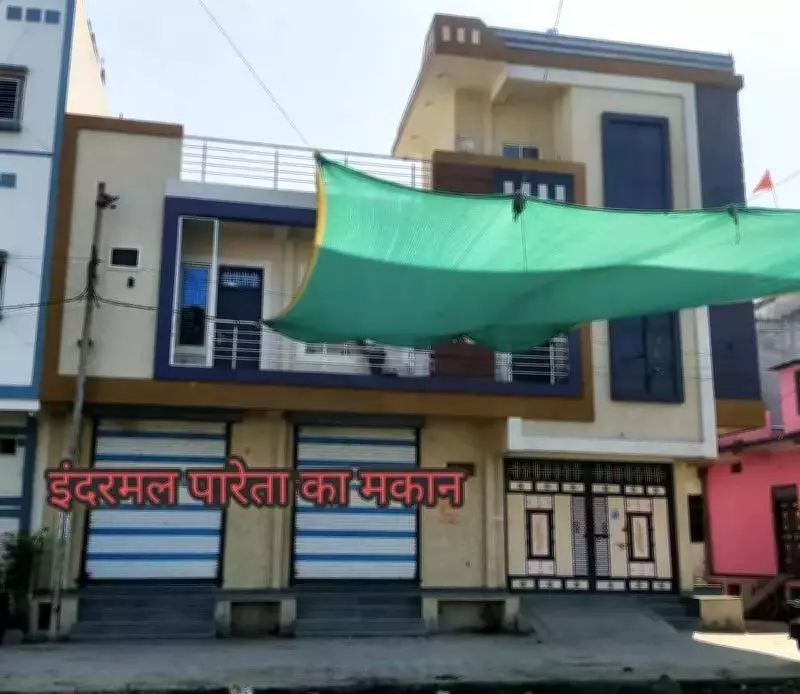
Deputy SP Prem Kumar, the investigating officer, filed an application in court seeking attachment of numerous properties, including:
- 22 houses
- 8 plots
- 2 agricultural lands
- 1 shop
The list of movable assets includes:
- 16 cars
- 18 motorcycles
- 1 tractor
- 1 factory
Massive Data Recovery and Investigation Escalation
Investigators recovered large volumes of sensitive data during the operation, including SSO and PMK usernames and passwords of government officials. Data sets of registered farmers were also seized from records in Rajasthan and several other states, indicating the pan-Indian scope of the fraud.
Given the scale and complexity of the case, the probe has been transferred to the police's Special Operations Group (SOG), as confirmed by an officer involved in the investigation. This move underscores the seriousness with which authorities are treating what appears to be a systematic exploitation of welfare mechanisms designed to support farmers and other beneficiaries.
The case highlights growing concerns about cybersecurity vulnerabilities in government welfare distribution systems and the need for enhanced protective measures to prevent similar frauds in the future.