Jammu and Kashmir Lieutenant Governor Stresses Legal Rigor in Corruption Cases
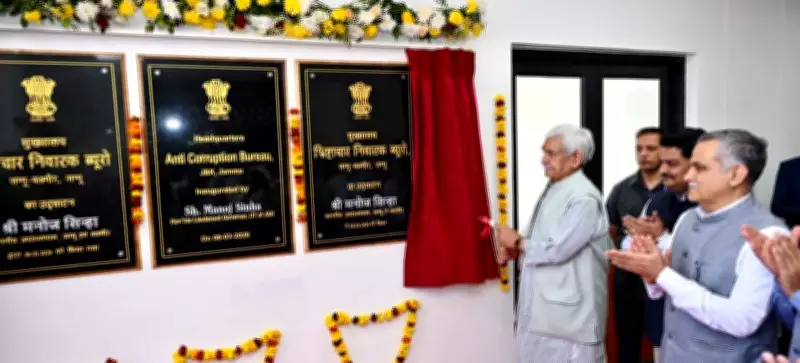
Lieutenant Governor Manoj Sinha has issued a clear directive to the Anti-Corruption Bureau (ACB) of Jammu and Kashmir, emphasizing the critical importance of building corruption cases that are legally robust and can withstand rigorous court scrutiny. This move underscores the administration's commitment to ensuring that anti-corruption efforts are not only proactive but also legally sustainable, thereby enhancing public trust in governance and the rule of law.
Strengthening Investigations for Judicial Endurance
During a high-level meeting with ACB officials, LG Sinha highlighted the necessity for meticulous investigation processes. He pointed out that corruption cases must be backed by solid evidence and adhere strictly to legal protocols to avoid being dismissed in courts due to technical flaws or insufficient proof. This approach aims to prevent delays and ensure that justice is served efficiently, thereby deterring corrupt practices across the region.
The Lieutenant Governor urged the ACB to focus on enhancing their investigative methodologies, including the use of modern forensic tools and digital evidence collection, to build foolproof cases. He stressed that the credibility of anti-corruption initiatives hinges on their ability to secure convictions, which in turn requires cases to be airtight from a legal perspective.

Implications for Governance and Public Confidence
This directive comes at a time when Jammu and Kashmir is striving to improve transparency and accountability in public administration. By ensuring that corruption cases are legally sound, the administration aims to boost public confidence in governmental institutions and demonstrate a zero-tolerance policy towards corruption. LG Sinha's emphasis on court scrutiny reflects a broader strategy to align anti-corruption measures with judicial standards, potentially leading to more successful prosecutions and a cleaner bureaucratic environment.
The ACB has been tasked with reviewing ongoing cases to identify and rectify any weaknesses that might compromise their viability in court. This proactive stance is expected to streamline the legal process, reduce the backlog of cases, and foster a culture of integrity within the region's public sector.
Future Steps and Broader Impact
Looking ahead, the ACB plans to implement training programs for its officers to enhance their legal acumen and investigative skills. This initiative is part of a larger effort to modernize the bureau's operations and ensure it remains effective in combating corruption. The focus on building cases that withstand court scrutiny is likely to have a ripple effect, encouraging other law enforcement agencies in the region to adopt similar standards.
In conclusion, Lieutenant Governor Manoj Sinha's directive marks a significant step towards strengthening the anti-corruption framework in Jammu and Kashmir. By prioritizing legal robustness in corruption cases, the administration is not only aiming for higher conviction rates but also reinforcing the principles of justice and accountability in governance.