Jammu & Kashmir Police Mosque Data Collection Draws Sharp Criticism
The Jammu and Kashmir police have initiated a detailed data collection exercise focusing on mosques across the Valley. This move has sparked significant criticism from various quarters, with religious leaders and political figures calling it invasive and disturbing.
What Information Is Being Collected?
Police are seeking comprehensive information about mosques in the region. They want details about the physical structure of each mosque, including construction costs and funding sources. The exercise also covers monthly expenditure and income figures for these religious institutions.
Beyond structural details, the police are collecting personal information about people associated with the mosques. This includes financial status, bank account details, passport information, ATM card numbers, and credit card particulars. The scope of information being gathered has raised eyebrows across the community.

Strong Reactions from Religious and Political Leaders
Mirwaiz Umar Farooq leads the Muttahida Majlis Ulama, a conglomerate of religious organizations in Kashmir. The MMU has strongly criticized the police exercise, calling it an "invasive data collection" effort that goes far beyond routine administrative requirements.
"The nature and depth of information being sought raises serious questions of intent," the MMU stated. "This reflects an attempt to control and regulate religious institutions through coercive means and checks."
The religious body expressed concern about widespread anxiety caused by this unprecedented data collection. They emphasized that institutions of worship and their internal religious affairs cannot be subjected to arbitrary surveillance and intrusive scrutiny.
National Conference leader and Parliament member Aga Ruhullah Mehdi offered sharp political criticism. He connected the exercise to right-wing ideology influencing governance systems in the country.
"This is a particular right-wing ideology which is running this system in our country," Ruhullah stated. "This is its project, and it clearly wants to control other religions which do not align with their ideology."
Constitutional Concerns Raised
Ruhullah highlighted constitutional protections for religious freedom, questioning why such detailed information is necessary when security agencies already possess much of this data. He expressed concern about additional surveillance layers being created for religious preachers.
"There are some people who propagate a particular religion," he explained. "In this way, you will bring extra layers of surveillance for them. It seems they are trying to intimidate them."
The parliament member suggested this could lead to government control over religious sermons. "The preachers of mosques will be told to read sermons according to BJP orders," he speculated. "The RSS might send them Friday sermons."
Call for Immediate Intervention
The Muttahida Majlis Ulama has called for immediate government intervention to stop the exercise. They argue it undermines trust, creates fear among religious functionaries, and sends a disturbing message to the Muslim community in Jammu and Kashmir.
"Measures that single out mosques and religious personnel in this manner are unjustified, counterproductive, and harmful to social harmony," the MMU stated. They urged Lieutenant Governor Manoj Sinha to withdraw the exercise without delay.
Political Parties Voice Opposition
The Awami Ittehad Party, led by Engineer Rashid, has also criticized the police initiative. AIP chief spokesperson Inam un Nabi called the exercise "nothing less than policing faith."
"This is neither governance nor security—it is intimidation," Nabi asserted. "This mindset criminalizes normal religious life and targets the very identity of common people."
He warned that treating every religious space as a potential threat would fuel resentment and destroy public trust in administration.
Police Response and Implementation
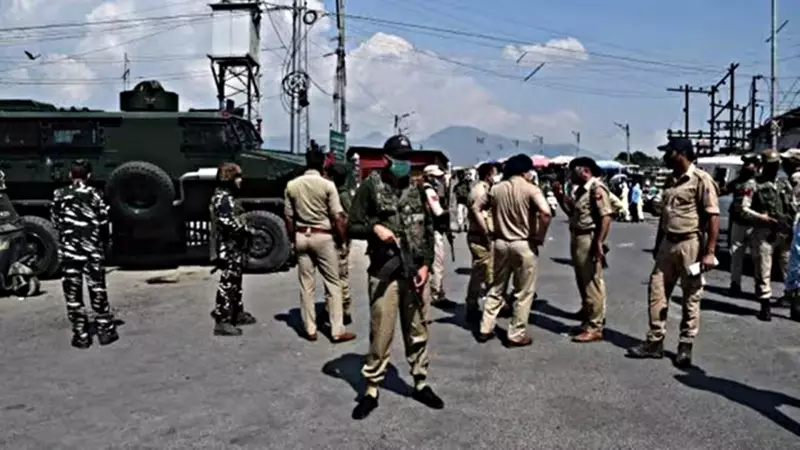
While police officials have not officially acknowledged the exercise, sources confirm it has been in development for some time. A police officer familiar with the process confirmed implementation is underway.

"We have been asked to fill these details and submit the forms," the officer stated, speaking on condition of anonymity. This confirms the exercise is actively being carried out across police stations in the Valley.
Broader Implications and Concerns
The controversy highlights ongoing tensions around religious freedom and security measures in Jammu and Kashmir. Critics argue the exercise represents overreach that could damage community relations and trust in institutions.
Supporters of security measures might view detailed information collection as necessary for comprehensive monitoring and prevention of potential threats. However, the current approach has clearly generated significant pushback from multiple community stakeholders.
The situation continues to develop as religious organizations, political parties, and community leaders voice their concerns about what they perceive as intrusive surveillance of religious institutions and their functionaries.