

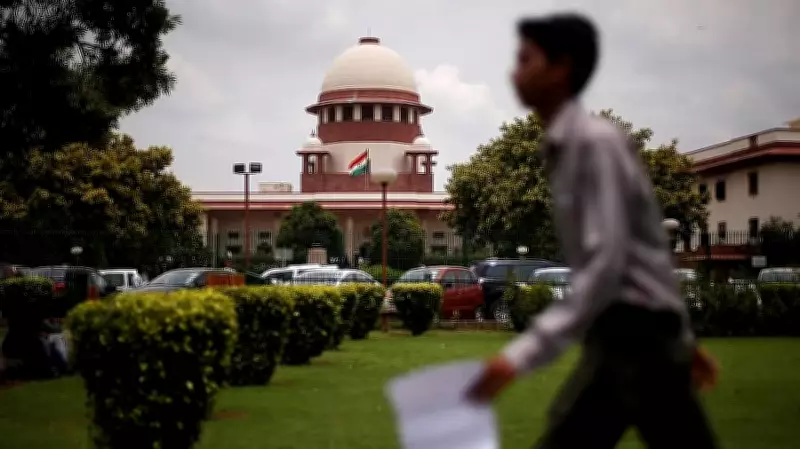
Supreme Court Judge Raises Alarm Over UAPA Misuse and Judicial Gender Imbalance
In a significant address, Supreme Court Justice Ujjal Bhuyan has voiced strong concerns regarding the misuse of the Unlawful Activities (Prevention) Act (UAPA) and the inadequate representation of women in the Indian judiciary. Speaking on March 23, 2026, Justice Bhuyan emphasized that the vision of a Viksit Bharat (Developed India) cannot be realized through indiscriminate arrests under the anti-terror law and persistent social divisions.
Critique of UAPA Enforcement and Social Fault Lines
Justice Bhuyan lamented what he described as "mindless arrests" under the UAPA, arguing that such actions undermine the rule of law and democratic principles. He pointed to deep social fault lines that exacerbate these issues, suggesting that a developed nation requires a more nuanced and just approach to security and governance. The judge's remarks highlight growing judicial scrutiny over the application of anti-terror legislation, which has often been criticized for its broad scope and potential for abuse.
Gender Disparity in the Judiciary
In addition to his comments on the UAPA, Justice Bhuyan drew attention to the poor representation of women in the judiciary. He stressed that achieving true progress and inclusivity in India necessitates greater gender diversity within the legal system. This call for reform aligns with ongoing debates about the need for more female judges at all levels, from lower courts to the Supreme Court, to ensure a balanced and equitable judicial process.

Implications for Viksit Bharat Goals
Justice Bhuyan's statements underscore a critical perspective on national development. He argued that Viksit Bharat must be built on foundations of justice, fairness, and social cohesion, rather than repressive measures or exclusionary practices. His critique serves as a reminder that legal and institutional reforms are essential components of India's growth trajectory, impacting areas from civil liberties to gender equality.
This development comes amid broader discussions on judicial independence and human rights in India, with the Supreme Court playing a pivotal role in shaping these narratives. As the country moves forward, such judicial insights are likely to influence policy debates and public discourse on law enforcement and judicial appointments.






