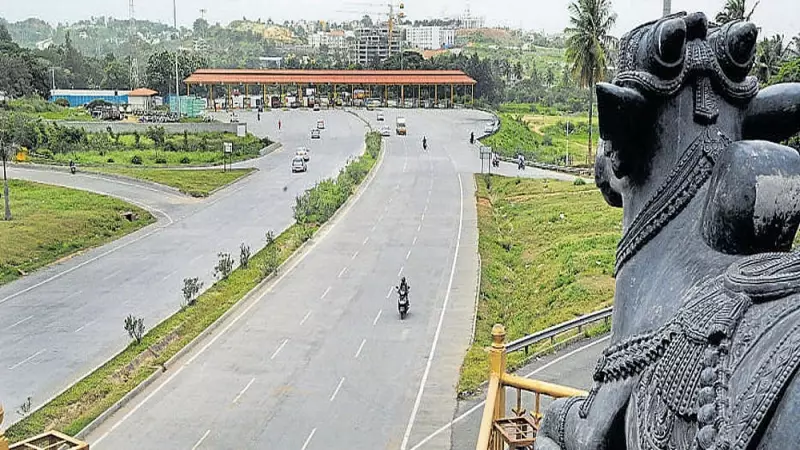
BMIC Deadlock Demands Judicial Intervention for Clear Resolution
The Bangalore-Mysore Infrastructure Corridor (BMIC) project is currently stuck in a significant legal deadlock. Contractual obligations are conflicting sharply with practical relevance, creating a complex situation that requires immediate attention.
Contractual Conflicts Hinder Progress
At the heart of the issue, the existing contracts for the BMIC project do not align well with current practical needs. This mismatch is causing delays and confusion among stakeholders involved in the infrastructure development.
Experts argue that the rigid terms in these agreements fail to account for evolving circumstances on the ground. As a result, the project's implementation has become increasingly challenging.

Calls for Judicial Reassessment Grow Louder
Many voices in Karnataka are now urging the judiciary to step in and provide much-needed clarity. A judicial reassessment could help interpret the contracts in a way that balances legal obligations with real-world requirements.
Such intervention might involve reviewing the contractual terms to ensure they support the project's goals without compromising fairness. This approach could pave the way for a more efficient and effective resolution.
Practical Implications for Infrastructure Development
The deadlock has broader implications for infrastructure projects across India. It highlights the importance of drafting contracts that are flexible enough to adapt to changing conditions.
If resolved, the BMIC case could set a precedent for handling similar disputes in the future. Stakeholders hope that judicial clarity will not only unblock this project but also improve contractual practices nationwide.
In summary, the BMIC deadlock underscores a critical need for judicial involvement. By reassessing the contractual framework, authorities can move forward with the project while upholding legal integrity and practical relevance.