

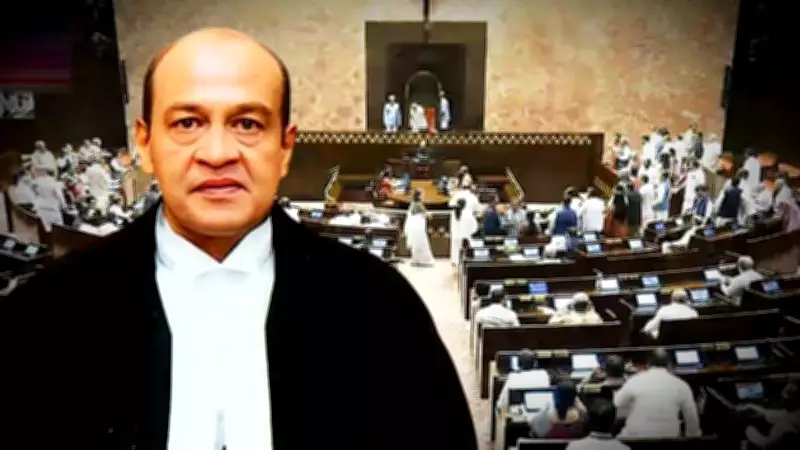
Justice Yashwant Varma Resigns Amid Cash-at-Home Controversy, Escapes Parliamentary Removal
In a significant development in India's judicial landscape, Justice Yashwant Varma of the Allahabad High Court has tendered his resignation, effectively sidestepping a potential removal process by Parliament. This move comes amidst a swirling controversy involving allegations of unexplained cash discovered at his residence, a case that has ignited intense debates over judicial integrity and accountability.
Details of the Cash-at-Home Row
The controversy erupted when reports surfaced regarding substantial amounts of cash found at Justice Varma's home, raising serious questions about the source and purpose of these funds. While specific details remain under scrutiny, the allegations have cast a shadow over his tenure, prompting calls for a thorough investigation into the matter. The incident has drawn widespread attention, highlighting concerns about transparency within the judiciary and the mechanisms for addressing misconduct among senior judicial officers.
Resignation Preempts Parliamentary Action
Justice Varma's resignation is seen as a strategic move to avoid facing a formal removal procedure by Parliament. Under Indian law, judges of higher courts can be removed only through a complex impeachment process initiated by Parliament, which requires a majority vote in both houses. By resigning, Justice Varma has effectively halted any such proceedings, allowing him to exit the bench without the stigma of a forced removal. This decision has sparked mixed reactions, with some viewing it as a responsible step to preserve judicial dignity, while others argue it undermines accountability by circumventing due process.

Implications for Judicial Integrity
The case underscores broader issues related to judicial conduct and the enforcement of ethical standards in India's legal system. It raises critical questions about:
- Oversight Mechanisms: The effectiveness of existing bodies like the Supreme Court's in-house committees in addressing allegations against judges.
- Public Trust: How such controversies impact public confidence in the judiciary, a cornerstone of democracy.
- Preventive Measures: The need for stronger preventive frameworks to deter misconduct and ensure transparency in judicial appointments and tenures.
Experts suggest that this incident may prompt reforms aimed at enhancing accountability, such as clearer guidelines for asset declarations and more robust investigative processes for judicial officers.
Reactions and Future Outlook
The resignation has elicited varied responses from legal circles and political observers. Some commend Justice Varma for stepping down to avoid a protracted legal battle, while others criticize it as an evasion of responsibility. The case is likely to influence ongoing discussions about judicial reforms, including proposals for an independent commission to handle complaints against judges. As the dust settles, the focus shifts to how the judiciary and Parliament will address similar issues in the future to uphold the integrity of India's legal institutions.






