Kanpur Lamborghini Crash Sparks Legal Dispute Over Driver Identity
In a high-profile case emerging from Uttar Pradesh, a recent Lamborghini crash in Kanpur has ignited a contentious legal battle, with the lawyer representing the son of a prominent tobacco baron asserting that his client was not behind the wheel during the incident. This claim has been met with a firm rebuttal from local police authorities, who are relying on compelling CCTV footage and multiple eyewitness accounts to counter the defense's narrative.
Defense Claims and Police Counterarguments
The lawyer for the accused, identified as the son of a wealthy tobacco businessman, has publicly stated that his client was not driving the luxury sports car at the time of the crash. This defense aims to shift responsibility and potentially mitigate legal consequences in a case that has captured public attention due to the involvement of a high-value vehicle and influential figures.
However, Kanpur police officials have swiftly responded, presenting what they describe as irrefutable evidence to the contrary. According to their investigation, CCTV recordings from the vicinity of the crash site clearly show the tobacco baron's son operating the Lamborghini. Additionally, police have gathered statements from several witnesses who corroborate this version of events, adding further weight to their case.

Details of the Incident and Ongoing Investigation
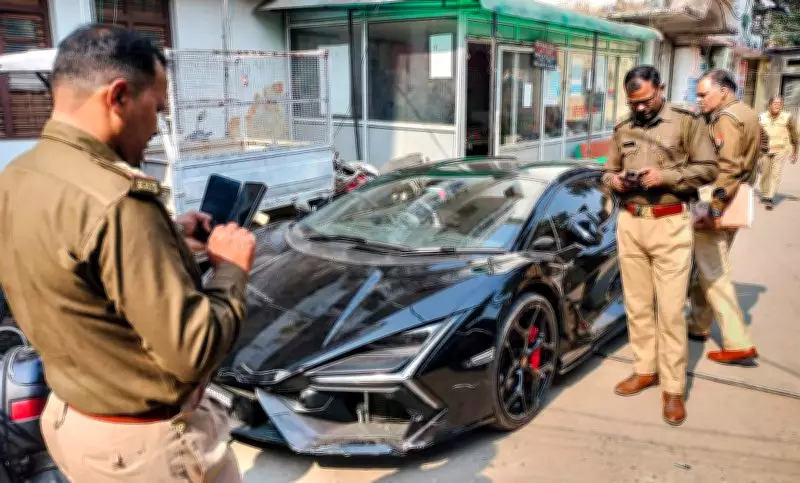
The crash occurred in a busy area of Kanpur, resulting in significant damage to the Lamborghini and raising concerns about road safety and accountability. Initial reports suggest the vehicle was traveling at high speed, though official findings are still pending as the investigation continues. Police are examining all aspects, including potential violations of traffic laws and the condition of the car at the time of the accident.
Authorities emphasize that their approach is based on factual evidence, with the CCTV footage serving as a critical piece of visual proof. They have also highlighted the importance of witness testimonies in building a robust case, noting that multiple accounts align with the footage. The police's stance underscores a commitment to transparency and due process, even as the defense challenges the allegations.
Broader Implications and Public Reaction
This case has sparked discussions about wealth, privilege, and legal accountability in India, particularly in contexts involving affluent individuals. Public interest is high, with many following the developments closely, given the dramatic nature of the crash and the subsequent legal wrangling. The dispute over the driver's identity highlights the complexities often encountered in such investigations, where conflicting claims must be resolved through evidence.
As the investigation progresses, authorities are expected to file formal charges based on their findings, which could include offenses related to reckless driving or negligence. The outcome may set a precedent for how similar cases are handled in the future, especially those involving high-profile defendants. For now, the focus remains on verifying the facts through technological and testimonial evidence, ensuring that justice is served regardless of the parties involved.