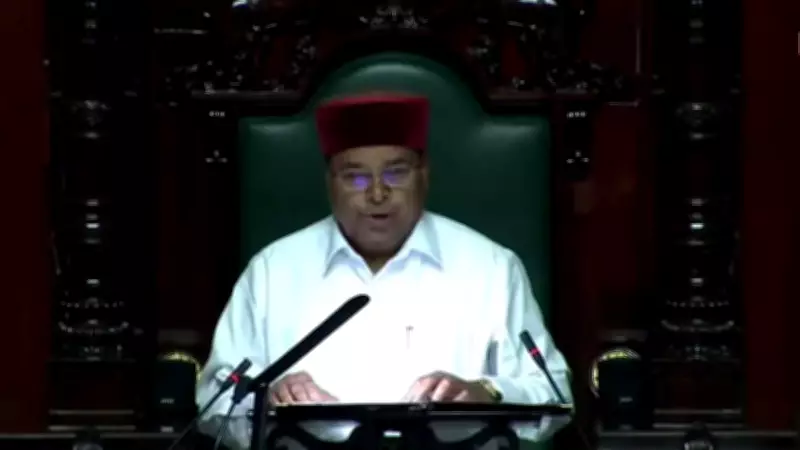
Karnataka Governor Identifies Constitutional Flaws in Proposed Hate Speech Legislation
In a significant development that has captured widespread attention across political and legal circles, Karnataka Governor Thaawar Chand Gehlot has raised serious constitutional concerns regarding the state's proposed Hate Speech Bill. The governor has officially reserved the controversial legislation for consideration by the President of India, marking a pivotal moment in the legislative process.
Constitutional Scrutiny and Presidential Reference
According to authoritative sources familiar with the matter, Governor Gehlot has identified multiple constitutional issues within the provisions of the Karnataka Hate Speech Bill. These concerns relate to potential conflicts with fundamental rights and constitutional principles, prompting the governor to exercise his constitutional authority to reserve the bill for the President's assent rather than granting approval at the state level.
The decision comes after extensive deliberation and examination of the bill's legal implications. Sources indicate that the constitutional questions raised by the governor are substantial enough to warrant presidential review, a step that highlights the complex interplay between state legislation and constitutional safeguards.

Widespread Public Discourse and Multiple Representations
The issues addressed in the Karnataka Hate Speech Bill have been the subject of intense public debate across various media platforms. Both print and electronic media have extensively covered the proposed legislation, generating significant discussion about its potential impact on freedom of expression and social harmony.
In a notable development, Governor Gehlot received forty formal representations from various stakeholders urging him to withhold assent to the bill. These representations came from diverse sections of society, including legal experts, civil society organizations, and concerned citizens who expressed reservations about specific provisions within the proposed legislation.
The substantial number of representations reflects the deep public interest in the matter and underscores the controversial nature of the proposed hate speech regulations. Each representation contributed to the governor's comprehensive review process, ultimately influencing the decision to seek presidential consideration.
Legal and Political Implications
The governor's action has significant implications for the legislative landscape in Karnataka and potentially sets a precedent for how states approach sensitive legislation that may intersect with constitutional protections. By reserving the bill for presidential assent, the matter now enters a new phase of constitutional scrutiny at the national level.
Legal experts suggest that this development highlights the important role governors play as constitutional authorities who must ensure that state legislation aligns with the broader constitutional framework. The decision also demonstrates the careful balance required between addressing social concerns through legislation and protecting fundamental rights enshrined in the Constitution.
As the bill now awaits presidential consideration, stakeholders across Karnataka and beyond will be closely monitoring the next steps in this important legislative process. The outcome could have far-reaching consequences for how hate speech is regulated in India while maintaining constitutional integrity and protecting democratic values.