Karnataka Governor Withholds Assent to Controversial Hate Speech Legislation
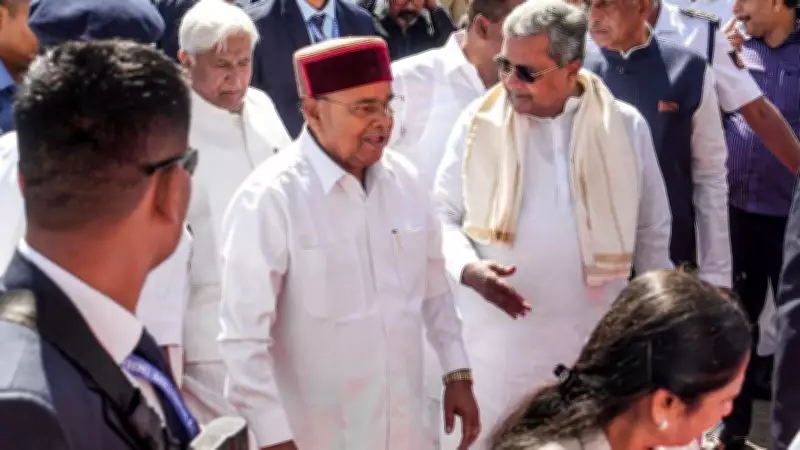
In a significant development, Karnataka Governor Thawar Chand Gehlot has withheld his assent to The Karnataka Hate Speech and Hate Crime (Prevention) Bill, 2025. The governor has instead reserved the controversial legislation for the consideration of the President of India, citing multiple constitutional and legal concerns.
Key Concerns Raised by Governor's Office
According to sources familiar with the matter, the governor's office highlighted several critical issues with the proposed legislation:
- Vague definitions of hate speech that could lead to subjective interpretation
- Overlap with existing laws that already address similar offenses
- Risk of misuse for political purposes or personal vendettas
- Constitutional complications regarding fundamental rights and executive powers
Specific Objections Detailed in Communication
A communication from Lok Bhavan to the President's office elaborated on the governor's reservations. The document noted that the bill's provisions could potentially grant arbitrary powers to authorities, allowing them to prohibit any speech or event based on subjective assessments of potential hatred.

The governor's office reportedly expressed concern that the legislation reclassified offenses that were previously non-cognisable and bailable as cognisable and non-bailable. This change would apply not only to individuals but also to organizations, significantly expanding the law's reach and potential impact.
Lack of Consultation and Broader Implications
Governor Gehlot emphasized that the bill was passed without meaningful consultation with various stakeholders, including civil society groups, media bodies, digital rights organizations, and constitutional experts. This lack of broader engagement raised questions about the legislation's democratic legitimacy and practical implementation.
The governor reportedly cautioned that laws introduced in the name of social security and harmony have historically risked eroding freedom of expression. He described the current bill as potentially creating a "serious predicament" for citizens' rights and democratic principles.
Political Context and Opposition Response
The controversial legislation was passed by the state government during the Winter Session of the Karnataka legislature. It has faced significant opposition from the BJP and various civil society groups, with the governor's office noting approximately 40 representations against the bill.
Critics argue that instead of effectively utilizing existing legal frameworks, the introduction of a new and vaguely defined law raises suspicions about potential government overreach into private communications and expression.
Constitutional Dimensions and Next Steps
The decision to reserve the bill for presidential consideration stems from concerns about repugnancy with central laws, potential violations of fundamental rights, and what the governor's office described as "subjective and draconian executive powers." This constitutional safeguard ensures that state legislation aligns with broader national legal frameworks and principles.
As the bill now moves to the President's desk for consideration, legal experts and political observers will closely monitor the outcome, which could set important precedents for how hate speech legislation is framed and implemented across India's federal structure.