Karnataka High Court Issues Landmark Ruling on Compensation Claims
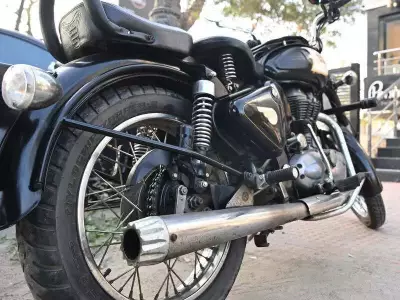
In a significant legal decision, the Karnataka High Court has clarified that the heirs of a deceased individual who was riding a borrowed vehicle are not entitled to claim compensation. This ruling addresses a complex issue in accident claims and insurance law, setting a precedent for similar cases in the state.
Court Cites Supreme Court Judgment as Basis for Decision
Justice K Manmadha Rao, presiding over the case, relied heavily on a previous judgment from the Supreme Court of India. The apex court's ruling provided the legal framework for determining liability and compensation in such scenarios, emphasizing the specific circumstances under which claims can be made.
By referencing this higher court decision, Justice Rao ensured that the Karnataka High Court's ruling aligns with established national legal standards. This approach underscores the importance of consistency in judicial interpretations across different levels of the judiciary.
Insurance Company Directed to Pay Personal Accident Compensation
Despite denying the claim from the heirs, the court did not leave the matter unresolved. It directed the involved insurance company to pay a personal accident compensation amount of Rs one lakh. This compensation is intended to address the direct losses incurred due to the accident.
Additionally, the court mandated that this payment include an annual interest rate of 7.5%. This interest provision aims to account for the time value of money and any delays in settlement, ensuring that the compensation remains fair and adequate over time.
Implications for Future Accident Claims and Insurance Policies
This ruling has several important implications for both legal practitioners and the general public. Firstly, it highlights the critical distinction between riding a borrowed vehicle versus one owned by the deceased or their family. Such nuances can significantly impact the outcome of compensation claims.
Secondly, the decision reinforces the role of insurance companies in providing timely and appropriate compensation. By ordering the payment with interest, the court sends a clear message about the responsibilities of insurers in accident cases.
Key Takeaways from the Judgment:- Heirs cannot claim compensation if the deceased was riding a borrowed vehicle.
- The ruling is based on a Supreme Court judgment, ensuring legal consistency.
- Insurance companies must pay designated compensation with applicable interest.
- This case may influence how similar claims are handled in Karnataka and beyond.
Legal experts suggest that this judgment could lead to more careful scrutiny of vehicle ownership and usage in accident claims. It may also prompt individuals to review their insurance policies to understand coverage limitations better.
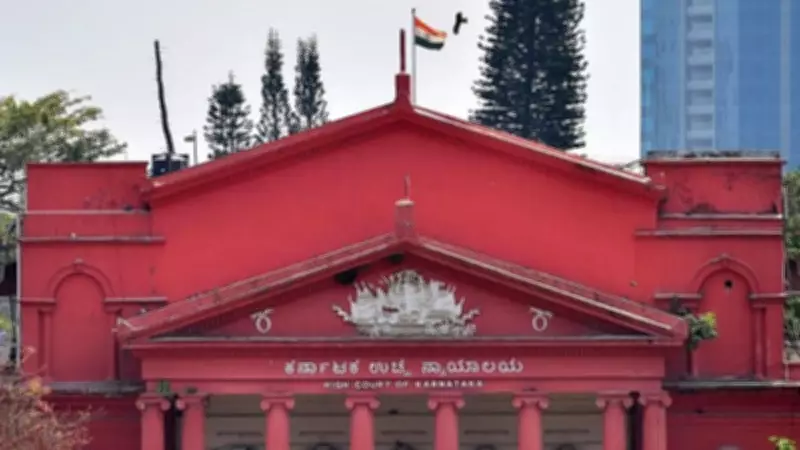
The Karnataka High Court's decision, delivered in Bengaluru, adds to the growing body of case law on accident compensation in India. As courts continue to interpret and apply laws in evolving contexts, such rulings play a crucial role in shaping legal practices and public awareness.