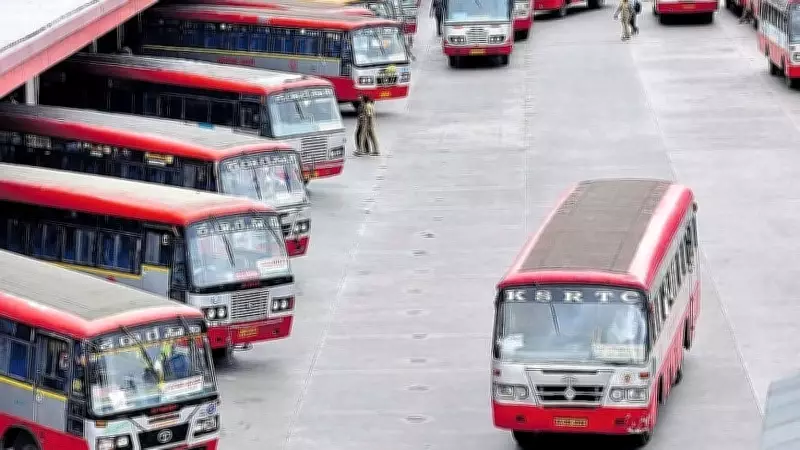
The Karnataka High Court has extended its interim order that prevents transport unions from going on strike. A vacation division bench comprising Justices Suraj Govindaraj and K Manmadha Rao issued the extension on Thursday, May 21, 2026. The court stated that it would consider the progress of ongoing conciliation meetings between employees and authorities during the next hearing, scheduled for June 2.
Background of the Case
The interim order was initially granted to maintain public order and ensure uninterrupted transport services. The unions had planned a strike to press for various demands, including better wages and working conditions. The court's intervention came after petitions were filed seeking to prevent the strike, citing potential disruption to essential services.
Conciliation Efforts Underway
The court noted that conciliation meetings are currently in progress between the transport employees and the authorities. The bench expressed hope that a mutually acceptable solution would be reached before the next hearing. The court emphasized the importance of dialogue and urged both parties to resolve their differences amicably.

Impact on Commuters
The extension of the interim order brings relief to commuters who rely on public transport. A strike would have caused significant inconvenience to thousands of daily travelers. The court's decision ensures that transport services remain operational while the conciliation process continues.
Next Hearing Scheduled for June 2
The court has scheduled the next hearing for June 2, 2026, to review the progress of the conciliation meetings. Depending on the outcome, the court may either vacate or further extend the interim order. The transport unions have been directed to cooperate with the conciliation process.
This development underscores the judiciary's role in balancing the rights of workers with the public interest. The case highlights the importance of alternative dispute resolution mechanisms in preventing disruptions to essential services.