Karnataka High Court Affirms MACT Authority Over Personal Accident Insurance Claims
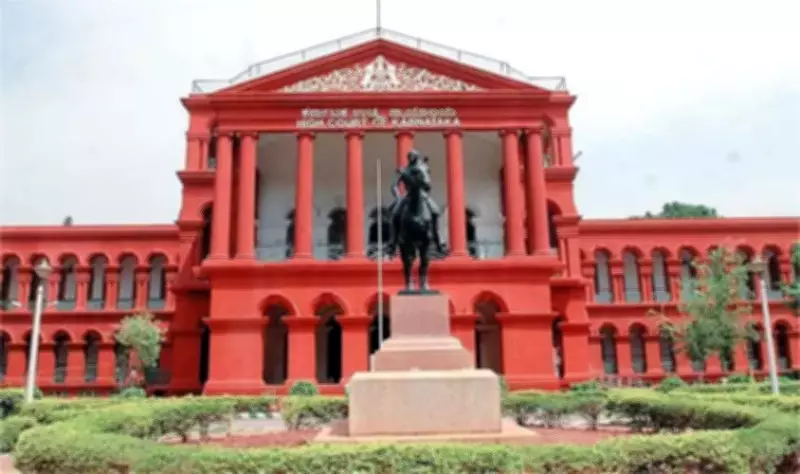
In a significant legal development from Bengaluru, the Karnataka High Court has delivered a crucial ruling clarifying the jurisdiction of Motor Accident Claims Tribunals (MACT). The court has firmly held that these tribunals are not stripped of their authority to examine and adjudicate claims relating to personal accident (PA) cover under standard motor insurance policies.
Case Background and Legal Challenge
Justice K Manmadha Rao made this important observation while dismissing an appeal filed by The New India Assurance Company. The insurance provider had challenged an earlier order from the MACT in Belagavi that refused to reject a claim petition at the preliminary stage.
The case originated from a tragic accident that occurred on April 8, 2023. Umar Farooque, a tailor and resident of Belagavi, suffered serious injuries when his motorcycle allegedly skidded off the road. Following the incident, Farooque filed a claim petition based on his motor insurance policy, which included an additional premium for personal accident cover of Rs 15 lakh as the owner-driver.

Insurance Company's Legal Argument
The New India Assurance Company sought dismissal of the claim under Section 166 of the Motor Vehicles Act, presenting a specific legal interpretation. The insurer contended that this provision enables adjudication only of third-party claims before the tribunal, not claims by the insured themselves.
According to the insurance company's position, a personal accident claim by the insured represents a matter of private contract between the parties. They argued that such contractual disputes fall outside the statutory jurisdiction of the MACT and should be addressed through separate legal channels.
Court's Legal Analysis and Precedent
After the tribunal rejected the insurer's preliminary application, the company approached the High Court for relief. Justice Rao conducted a thorough examination of relevant legal precedents, particularly referencing the Supreme Court's landmark ruling in National Insurance Company vs Ashalata Bhowmik.
In that important case, the apex court had clarified a crucial distinction. While a claim under Section 166 may not lie against an insurer for the insured's own negligence, the contractual benefit of a personal accident cover remains fully enforceable according to the specific terms outlined in the insurance policy.
Key Judicial Observations and Ruling
The Karnataka High Court made several significant observations in its ruling. The court emphasized that the tribunal possesses the authority to mould relief in accordance with the insurance contract and determine the extent of liability after conducting a full-fledged trial.
Justice Rao noted that the insurance company would have ample opportunity before the tribunal to contest the claim, prove the specific policy terms, and raise all available legal defenses. The court expressed concern that interfering at this preliminary stage would effectively shut out a bona fide claim without proper adjudication on the merits.
This ruling reinforces the principle that technical jurisdictional objections should not prevent legitimate claims from receiving proper judicial consideration. The decision strengthens the position of insurance policyholders seeking to enforce their contractual rights through established legal mechanisms.