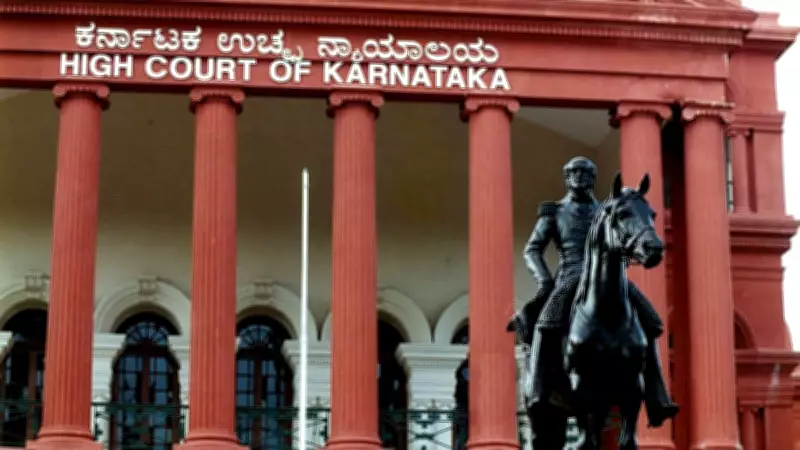
Karnataka High Court Delivers Landmark Ruling on Foreigners' Visa Rights
In a significant judgment that clarifies the legal position regarding immigration matters, the Karnataka High Court has unequivocally stated that foreign nationals do not possess any fundamental right to obtain visas or seek their renewal within Indian territory. This ruling establishes a clear precedent in immigration law, emphasizing the discretionary power of the state in such matters.
Division Bench Dismisses Writ Appeal by Nigerian Nationals
A division bench of the Karnataka High Court, comprising Chief Justice Vibhu Bakhru and Justice CM Poonacha, delivered this decisive verdict while dismissing a writ appeal filed by two Nigerian nationals, Obinna Jeremiah Okafor and John Adewagh Vandefan. The appellants had challenged an earlier order dated August 14, 2025, issued by a single bench of the same court, which had initially ruled against their claim to visa rights.
The bench meticulously examined the arguments presented by the petitioners, who contended that they were entitled to certain protections under the Indian legal framework. However, the court firmly rejected these assertions, highlighting that the grant or renewal of a visa is a privilege extended by the sovereign state and not an enforceable right that can be claimed by foreign individuals.

Implications for Immigration Policy and Legal Precedents
This judgment carries profound implications for India's immigration policy and the legal landscape surrounding the rights of foreign nationals. By affirming that visas are matters of state discretion, the court has reinforced the government's authority to regulate entry and stay based on national interest, security considerations, and diplomatic protocols.
The ruling underscores several key points:
- Foreign nationals cannot invoke fundamental rights under the Indian Constitution to demand visa issuance or renewal.
- The state retains absolute prerogative in determining visa eligibility and duration.
- Legal challenges to visa denials or non-renewals must be framed within the limited scope of administrative review, rather than as claims of inherent rights.
Legal experts suggest that this decision will likely influence future cases involving foreign nationals seeking judicial intervention in immigration matters. It sets a clear boundary between the rights of citizens and the conditional privileges afforded to foreigners, thereby preventing potential misuse of legal avenues to circumvent immigration controls.
Background and Context of the Case
The case originated from the petitioners' unsuccessful attempt to secure visa renewals, leading them to approach the judiciary for relief. The single bench's order in August 2025 had already dismissed their plea, prompting the appeal to the division bench. The High Court's latest ruling not only upholds the earlier decision but also provides a comprehensive legal rationale that can guide lower courts and administrative bodies in similar disputes.
This development is particularly relevant in the context of increasing global mobility and the complexities of managing foreign nationals' stays in India. It reaffirms the principle that immigration policies are integral to national sovereignty and must be administered without conceding to demands framed as rights.
As India continues to attract a diverse array of foreign visitors, students, and professionals, this judgment serves as a reminder of the legal framework governing their stay. It balances the need for hospitality and international engagement with the imperative of maintaining strict regulatory oversight to safeguard national interests.