Karnataka High Court Mandates Fresh Inspection of Stormwater Drain Encroachments at Subramanyapura Lake
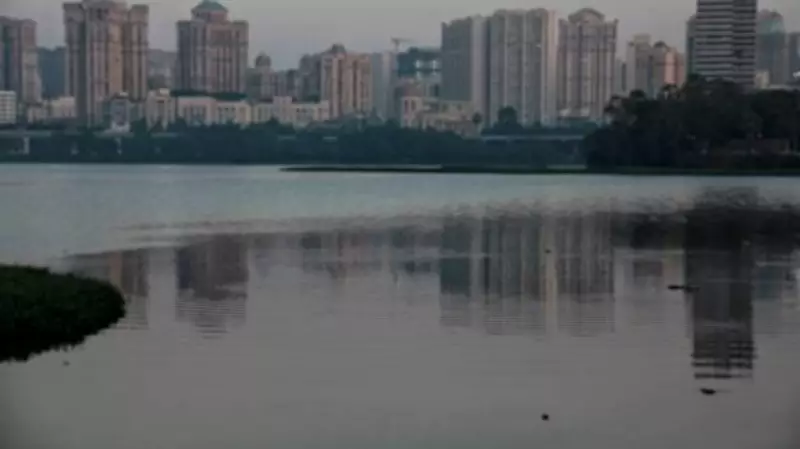
In a significant development concerning environmental protection in Bengaluru, the Karnataka High Court has issued a directive for the reinspection of stormwater drain encroachments at Subramanyapura lake. This judicial intervention aims to address critical issues affecting the lake's ecosystem and water management systems in the region.
Court's Observations on Drainage System
The court specifically noted that four distinct drains carry stormwater from the catchment area in Gubbalala village directly into Subramanyapura lake. These drainage channels play a crucial role in managing rainwater runoff and preventing urban flooding in the surrounding areas. However, encroachments along these drains have raised serious concerns about their functionality and environmental impact.
The judicial bench emphasized the importance of maintaining unobstructed stormwater flow to ensure proper water management and ecological balance in the lake. The court's directive comes as part of ongoing efforts to preserve Bengaluru's rapidly diminishing water bodies and address urban planning challenges.

Implications for Urban Water Management
This court order has broader implications for urban development and environmental conservation in Karnataka's capital city. Subramanyapura lake, like many other water bodies in Bengaluru, faces multiple threats from urbanization, including illegal constructions, waste dumping, and drainage system obstructions.
The reinspection process will likely involve multiple government agencies, including the Bruhat Bengaluru Mahanagara Palike (BBMP), Karnataka State Pollution Control Board, and local revenue authorities. These agencies will need to collaborate to identify specific encroachments, assess their impact on the drainage system, and recommend appropriate remedial measures.
Legal and Environmental Context
The High Court's intervention reflects growing judicial activism in environmental matters across India. Courts have increasingly taken proactive stances in protecting natural resources, particularly in urban areas where development pressures often compromise ecological sustainability.
Key aspects of the court's directive include:
- Comprehensive assessment of all encroachments affecting the four stormwater drains
- Evaluation of how these encroachments impact water flow into Subramanyapura lake
- Identification of responsible parties for any illegal constructions or obstructions
- Recommendations for restoring natural drainage patterns and protecting the lake ecosystem
This case highlights the ongoing tension between urban development and environmental preservation in rapidly growing cities like Bengaluru. The court's order serves as a reminder that sustainable urban planning must balance infrastructure needs with ecological protection.
Next Steps and Implementation
Following the court's directive, authorities are expected to form inspection teams and begin the reinspection process promptly. The findings from this exercise will likely inform future legal proceedings and potential enforcement actions against those responsible for encroachments.
The outcome of this reinspection could set important precedents for how similar cases are handled across Karnataka and potentially other Indian states facing comparable urban environmental challenges.