

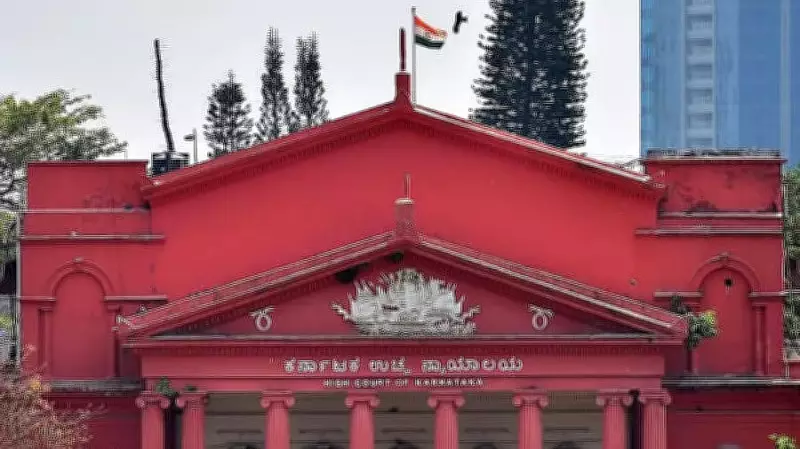
Karnataka High Court Mandates Review of PIL Allegations Against Conocarpus Trees
The Karnataka High Court has issued a significant directive to relevant authorities, compelling them to thoroughly examine the issues highlighted in a Public Interest Litigation (PIL) concerning Conocarpus trees. This judicial intervention underscores growing environmental and public health apprehensions associated with this particular tree species, which has been widely planted across various regions.
Judicial Bench Directs Authorities to Consider Petitioner's Concerns
A division bench comprising Chief Justice Vibhu Bakhru and Justice CM Poonacha presided over the case, delivering a clear order for authorities to address the petitioner's grievances. The bench emphasized the necessity of a comprehensive evaluation of the potential risks and adverse effects linked to Conocarpus trees, as raised in the PIL. This directive marks a proactive step by the judiciary in responding to citizen-led environmental advocacy.
The court's instruction mandates that the concerned governmental bodies and environmental agencies conduct a detailed assessment of the allegations. These include possible ecological imbalances, health hazards, and other negative impacts attributed to the proliferation of Conocarpus trees. The authorities are now required to submit a report or take appropriate action based on their findings, ensuring that public interest and environmental sustainability are prioritized.

Background and Implications of the PIL on Conocarpus Trees
Conocarpus trees, often used in urban landscaping and afforestation projects due to their rapid growth and aesthetic appeal, have recently come under scrutiny. The PIL likely cites issues such as excessive water consumption, allergen production, or invasive characteristics that could threaten native biodiversity. This legal challenge reflects a broader societal shift towards more scrutinized and sustainable environmental practices.
The Karnataka High Court's involvement highlights the critical role of the judiciary in mediating between developmental initiatives and ecological preservation. By ordering a review, the court ensures that decisions regarding tree plantation and urban greenery are informed by scientific evidence and public welfare considerations, rather than solely by aesthetic or expedient motives.
Key Points from the Court Directive:- The division bench directed authorities to consider all issues raised in the PIL concerning Conocarpus trees.
- Chief Justice Vibhu Bakhru and Justice CM Poonacha emphasized the need for a thorough evaluation of potential risks.
- Authorities must assess ecological, health, and environmental impacts before proceeding with any related projects.
- This move aligns with increasing public awareness and legal actions aimed at protecting natural resources and community health.
This development is particularly relevant for Bengaluru and other parts of Karnataka, where urban expansion often intersects with environmental conservation efforts. The outcome of this review could influence future policies on tree plantation, urban planning, and environmental management across the state and potentially serve as a precedent for similar cases nationwide.






