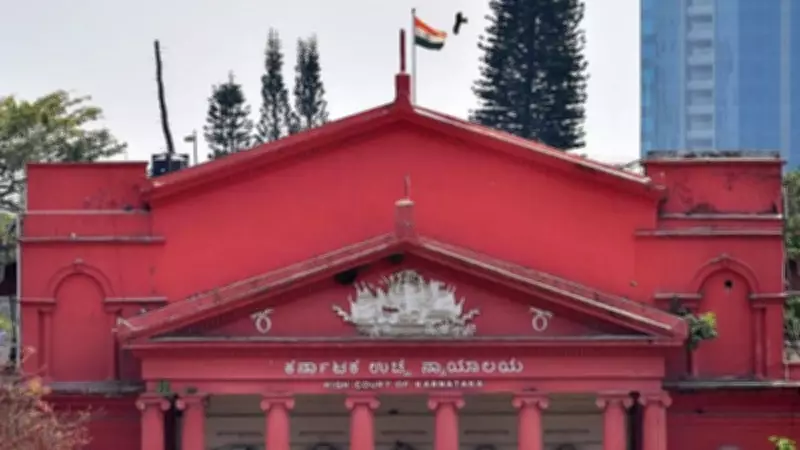
Karnataka High Court Upholds Investigation Against WhatsApp Group Administrator
The Karnataka High Court has firmly rejected a petition seeking to quash the ongoing criminal investigation against a WhatsApp group administrator. The case revolves around allegations of circulating obscene and offensive content within a digital messaging group.
Details of the Controversial Group and Content
The group in question was reportedly managed by six administrators and had a substantial membership of nearly 250 participants. According to the formal complaint filed in this matter, the platform was repeatedly used to share images that were deemed highly objectionable.
These images allegedly depicted Hindu deities and certain political figures in a manner that was found to be obscene and deeply offensive. The circulation of such content sparked significant legal and social concern, leading to the initiation of a formal probe by the authorities.
Court's Stance on the Matter
In its recent ruling, the High Court declined to interfere with the investigative process. The judiciary emphasized the importance of allowing the law enforcement agencies to complete their examination of the facts and evidence related to the case.
This decision underscores the court's commitment to upholding legal procedures in matters involving digital communication and content that potentially violates laws pertaining to religious sentiments and public figures. The refusal to quash the probe indicates a serious view of the allegations, ensuring that the investigation proceeds without impediment.
Broader Implications for Digital Communication
This ruling highlights the evolving legal landscape surrounding social media and messaging platform administrators in India. It serves as a crucial reminder of the responsibilities and potential liabilities that come with managing online groups, especially those with large memberships.
The case also brings to the forefront ongoing discussions about:
- The boundaries of free speech in digital spaces
- The protection of religious sentiments
- The accountability of group administrators for content shared within their forums
- Legal recourse available against offensive online material
As digital platforms continue to play a central role in public discourse, this Karnataka High Court decision may influence how similar cases are approached in the future, balancing technological communication with legal and social norms.