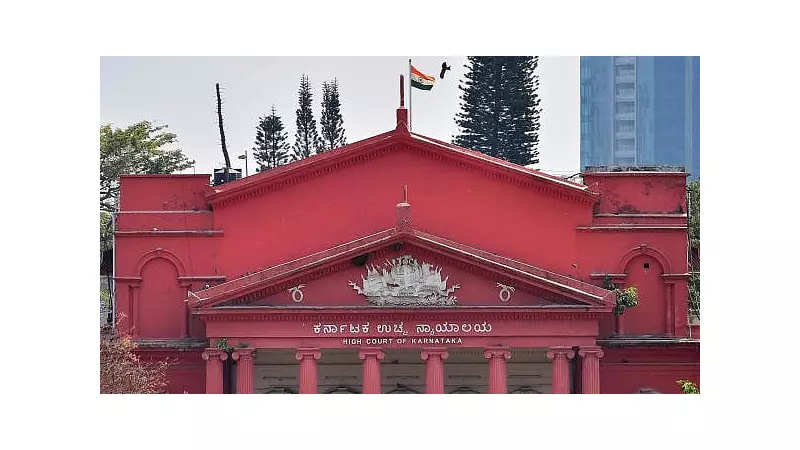
In a significant ruling, the Karnataka High Court has clarified the procedural requirements for registering the cancellation of a General Power of Attorney (GPA). The court has held that a sub-registrar is not legally bound to issue a prior notice to the executant before registering a deed that cancels a GPA.
The Case and the Court's Decision
Justice D K Singh delivered this judgment on December 3, 2025, while dismissing a petition filed by North Roof Ventures Private Limited. The company had challenged the registration of a cancellation deed executed against a GPA that was previously registered in its favour.
The core legal question before the court was whether the registering authority must follow the principles of natural justice by issuing a notice to the party who originally executed the GPA before registering its cancellation. The petitioner argued that such a notice was mandatory.
Legal Rationale Behind the Ruling
Justice Singh, in his order, examined the provisions of the Registration Act, 1908. The court concluded that the Act does not prescribe any such requirement for issuing notice before registering a cancellation deed.
The judge emphasized that the registrar's primary duty is to ensure the document presented for registration complies with the formalities under the law. This includes verifying the identity of the person executing the cancellation deed and ensuring the document is presented by a competent person. The role is largely administrative and does not involve adjudicating rights or titles between parties, which is a matter for civil courts.
Therefore, imposing an obligation to issue notice would be adding a condition not envisaged by the statute and could unnecessarily delay the registration process.
Implications for Property Transactions
This ruling brings clarity to a common procedural dilemma in property dealings. A General Power of Attorney is often used in real estate transactions, allowing one person to act on behalf of another. Its cancellation is a critical step that revokes those powers.
The court's decision streamlines the registration process for such cancellations. It places the onus on the parties involved in the GPA to be aware of their actions and any subsequent instruments filed for registration. The judgment reinforces that disputes arising from the execution or cancellation of a GPA are civil in nature and must be resolved through appropriate civil suits, not at the stage of registration.
Legal experts suggest this ruling will expedite the registration of cancellation deeds, providing relief to individuals seeking to revoke powers swiftly. However, it also underscores the importance for companies and individuals to diligently monitor the status of their registered instruments.