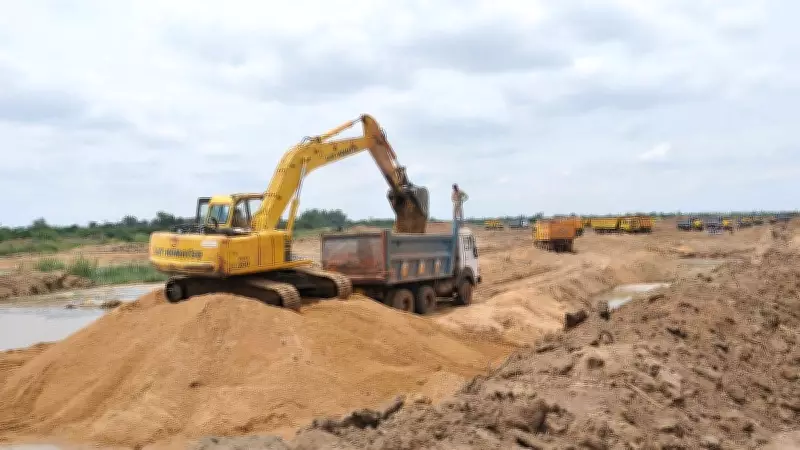
Karnataka High Court Exposes Systemic Failure in Curbing Illegal Sand Mining
The Karnataka High Court has delivered a stark intervention in the state's ongoing battle against illegal sand mining, pointing to what it describes as an abject failure of state enforcement mechanisms. This judicial move underscores a disturbing reality where environmental crimes continue to operate with impunity, threatening both legal frameworks and ecological balance.
A Crime Without Consequence
In a recent development, the High Court's scrutiny has brought to light how illegal sand mining activities in Karnataka have persisted despite existing regulations. The court's observations suggest that enforcement agencies have been largely ineffective in curbing these operations, allowing perpetrators to evade accountability. This situation raises serious questions about governance and the rule of law in the state.
Environmental and Legal Ramifications
Illegal sand mining is not merely a legal violation; it poses significant environmental threats, including:
- Erosion of riverbanks and degradation of aquatic ecosystems
- Loss of biodiversity and disruption of natural habitats
- Increased vulnerability to floods and other natural disasters
Moreover, the unchecked extraction of sand undermines regulatory frameworks designed to protect natural resources, creating a culture of lawlessness that can spill over into other sectors.
State Enforcement Under Scrutiny
The High Court's intervention highlights several key issues in Karnataka's enforcement apparatus:
- Inadequate monitoring and surveillance of mining sites
- Lax implementation of existing laws and penalties
- Possible collusion or negligence among local authorities
These failures have allowed illegal mining networks to thrive, often at the expense of public interest and environmental sustainability.
Broader Implications for Governance
This case serves as a critical reminder of the challenges facing environmental governance in India. When state agencies fail to enforce laws, it not only harms ecosystems but also erodes public trust in governmental institutions. The Karnataka High Court's stance may prompt other states to reevaluate their own enforcement strategies against illegal mining and similar environmental crimes.
As the judicial process unfolds, stakeholders are watching closely to see whether this intervention will lead to tangible reforms and stronger accountability measures. The outcome could set a precedent for how India addresses the complex interplay between natural resource management, legal enforcement, and sustainable development.