Karnataka High Court Halts Investigation in Drone Trespass Case Against Aerospace Company
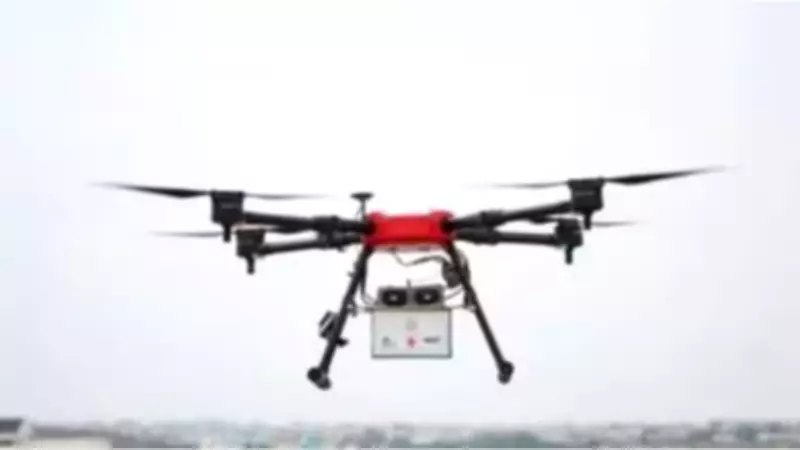
The Karnataka High Court has issued an interim order to stay all further investigation in a criminal trespass case registered by the police against a centrally regulated aerospace and defence research company. This decision came after a lightweight research drone, operated by the firm, suffered a battery malfunction and glided beyond its designated testing zone, landing in a neighbouring residential area in Bengaluru.
Incident Details and Legal Proceedings
On January 29, during routine research and development testing within leased premises in the Doddaballapura area of Bengaluru, a drone belonging to M/s New Space Research And Technologies Private Limited experienced a battery failure. This caused the drone to drift beyond the boundary of the leased land. Due to poor lighting conditions and a lack of GPS signal, the company could not immediately locate the device. Later that evening, police visited the site, took possession of the drone, and filed a suo motu FIR against unknown persons, alleging that the drone's presence endangered life and safety.
The police invoked sections 125 (act endangering life or personal safety of others) and 329(3) (criminal trespass and house-trespass) of the Bharatiya Nyaya Sanhitha (BNS). In response, the company filed a petition seeking to quash the FIR, arguing that the invocation of these sections is fundamentally misconceived and that no offence is made out even if the allegations are accepted at their highest.

Court Hearing and Arguments
During the hearing, Justice M Nagaprasanna remarked, "This is very very interesting... The drone is said to have trespassed." Advocate Angad Kamath, representing the aerospace firm, presented key arguments:
- The company manufactures drones for the Indian Armed Forces and holds a licence for Research and Development to operate drones in green zones.
- Under Rule 42 of the Drone Rules, 2021, recognised research and development entities are authorised to operate drones for testing purposes within green zones and under their control without requiring additional licences or approvals.
- Kamath contended that the police lack jurisdiction over drone usage, as only the Director General of Civil Aviation (DGCA) has the authority to question the company in such matters.
- He also highlighted that a police officer, Sadiq Pasha, detained company officials at the police station for six hours without providing a copy of the FIR.
Court's Interim Order and Next Steps
Justice Nagaprasanna ordered, "There shall be an interim order of stay of all investigation pursuant to the registration of the crime till the next date of hearing." The court directed Officer Sadiq Pasha to respond to the allegations in the petition by filing an affidavit. This stay effectively pauses the criminal probe while the legal arguments are further examined.
The case underscores the complexities of regulating drone technology, especially in research contexts, and raises questions about jurisdictional boundaries between law enforcement and aviation authorities. The aerospace firm maintains that the incident was an unintentional technical glitch during authorised testing, not a criminal act.