The newly implemented alcohol-in-beverage taxation policy in Karnataka has created sharply divergent effects on liquor vendors and hospitality industry representatives in the coastal districts. Since its rollout on May 11, the policy has made cheaper liquor more expensive while reducing prices of premium brands, according to industry sources.
Impact on Cheap and Premium Liquor
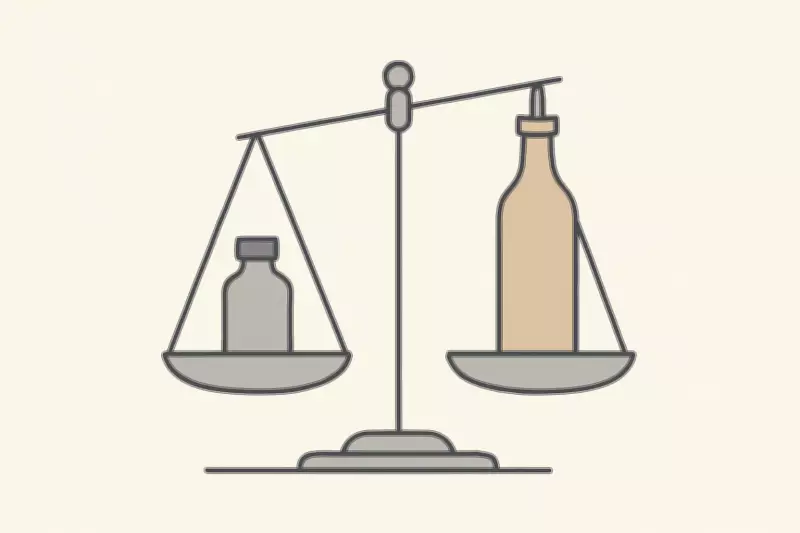
Ramesh D Nayak of Rathna's Wine Gate stated that prices of cheaper liquor are expected to rise by approximately 20%, whereas premium brands may become cheaper by 5% to 12%, and in some cases by as much as 20%. He noted that prices of low-cost liquor have already been revised multiple times in recent years, with some brands nearly doubling over the past four years.
Vendors reported that 75% to 80% of consumers in the region prefer cheaper liquor, and the revised pricing would place a heavier burden on this segment. A similar trend is visible in the beer segment, with strong beer becoming costlier and premium beer prices declining.

New Taxation Model
The new policy replaces the earlier bulk-litre-based taxation system with a model that taxes liquor based on actual alcohol content. Traders indicated that confusion over revised prices continues, and supply shortages over the past week have made it difficult to assess the policy's impact on sales.
Vendors also raised concerns over the 2% tax collected at source and the additional rounding-off of the excise duty. Liquor vendor Louis J Pinto said the added levies would “eat up” revenue.
Regional Price Comparisons
Vendors noted that Karnataka has traditionally had some of the highest liquor prices in the country, particularly for premium brands. The revised tax structure could make prices of medium and premium liquor more competitive compared to neighbouring states, though still higher than Goa. This could discourage the movement of liquor into Kerala and Tamil Nadu.
Hospitality Industry Response
Hospitality industry representatives expressed optimism that lower prices for premium liquor and beer could help improve footfall. Bar and restaurant owner Vadi Shenoy said reduced prices of premium beverages are expected to attract more patrons.
Political and Regulatory Developments
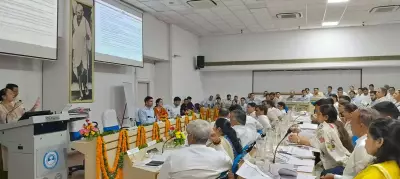
Meanwhile, MLC Ivan D'Souza chaired a meeting on Thursday to address excise-related issues in Dakshina Kannada, including public difficulties and liquor distribution concerns during home events. Participants decided to urge the chief minister and excise minister to amend the new excise law, particularly CL-5 licensing, and flag obstacles in obtaining permissions.