Kashmiri Shawl Vendors Brutally Attacked in Dehradun, Teenager Suffers Head Injury
In a disturbing incident that has sparked widespread condemnation, two brothers from Kashmir who were in Uttarakhand's capital Dehradun to sell traditional shawls were violently assaulted by assailants after revealing their place of origin. The attack, which occurred on Wednesday evening, left the younger brother, 18-year-old Tabish, with serious head injuries requiring medical treatment.
Details of the Violent Assault
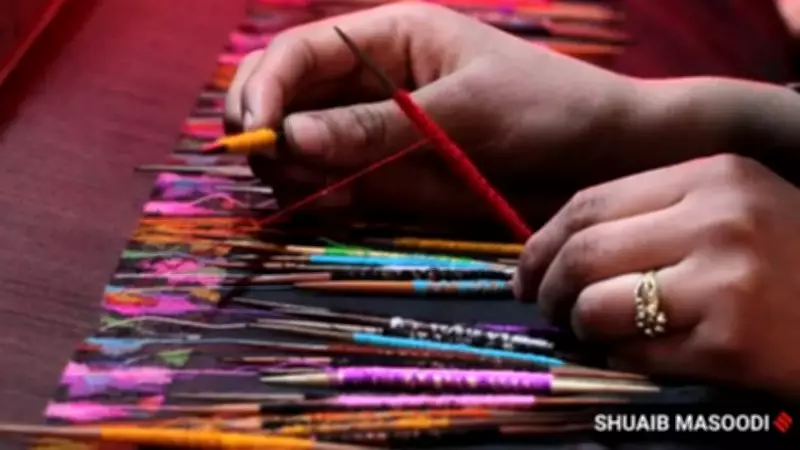
According to police reports and the complaint filed at Vikas Nagar police station, the incident unfolded when Tabish and his brother Danish were conducting their seasonal business in Dehradun's Vikas Nagar area. The family, like many Kashmiris, travels to Uttarakhand every winter to sell shawls door-to-door when work opportunities diminish in the Valley due to harsh weather conditions.
Danish stated in his complaint that while his younger brother was purchasing snacks from a shopkeeper on Dakpathar Road, the shopkeeper inquired about their origins. "When we said we were from Kashmir, the situation escalated rapidly," Danish recounted. "The shopkeeper began hurling abuses and slurs at us, then joined by two unknown individuals, they launched a brutal attack using sticks and iron objects, primarily targeting our heads."

Medical and Police Response
The assault resulted in Tabish sustaining significant head injuries that required seven sutures at Doon Hospital, where he was referred after initial treatment at Vikas Nagar hospital. Dehradun Senior Superintendent of Police Ajai Singh confirmed that one suspect, identified as Sanjay Yadav, has been taken into custody in connection with the attack.
An FIR has been registered under Bharatiya Nyaya Sanhita (BNS) sections 117(2) for voluntarily causing grievous hurt and section 352 for intentional insult with intent to provoke breach of peace. Police investigations revealed that the brothers had come from Kashmir during the holidays to assist their father, who lives in rented accommodation in Paonta Sahib, with their street vending business.
Political Reactions and Concerns
The incident has drawn strong reactions from political leaders across Jammu and Kashmir, who have expressed growing concern about the safety of Kashmiris living and working outside the Valley. Jammu and Kashmir Chief Minister Omar Abdullah addressed the issue directly, stating that recent attacks against Kashmiris in various parts of the country are "unacceptable and must stop."
"It cannot be claimed that Jammu and Kashmir is an inalienable part of India while people from Kashmir, in other parts of the country, live in fear for their lives," Abdullah emphasized. He added that his government would intervene wherever necessary to prevent such incidents from recurring and had already spoken with Uttarakhand Chief Minister Pushkar Singh Dhami about the matter.
Broader Pattern of Violence
This attack is not an isolated incident but part of a troubling pattern of violence against Kashmiri vendors and students in Uttarakhand and other parts of North India. Family relative Mansur Ahmed, who also engages in the shawl business across Uttarakhand and Himachal Pradesh, noted that this was Tabish's first time accompanying his brother on the business trip.
Political leaders from various parties in Kashmir have voiced their concerns about what they perceive as institutional tolerance for such attacks. People's Democratic Party leader Iltija Mufti described the assault as "one of many acts of violence against Kashmiris in India, where perpetrators know they enjoy institutional impunity."
People's Conference president Sajad Lone characterized the incident as reflecting a "culture of tolerance of intolerant incidents" across the country, while National Conference spokesperson Imran Nabi called the attack "unacceptable and condemnable" and urged central leadership to send a clear message against hate crimes.
Historical Context of Similar Incidents
The assault on Tabish and Danish follows several similar incidents targeting Kashmiri vendors in Uttarakhand:

- In December, a shawl seller was assaulted in Udham Singh Nagar's Kashipur, with video evidence showing the attackers demanding he chant patriotic slogans
- Last April, two men selling Kashmiri merchandise on Mussoorie's Mall Road were attacked and forced to leave, resulting in 16 vendors returning to Kashmir
- In 2019, Kashmiri students faced attacks in Dehradun hostels following social media posts about the Pulwama attack
- In 2017, traders in Mussoorie asked Kashmiri vendors to leave the city after a cricket match between India and Pakistan
These repeated incidents highlight the vulnerability of Kashmiri migrants who venture outside their home state during winter months to earn livelihoods through traditional crafts and trades. The seasonal migration pattern sees numerous Kashmiris traveling to various parts of North India to sell shawls, handicrafts, and other products when economic opportunities shrink in the Valley due to harsh winter conditions.
The attack has reignited discussions about the safety and security of minority communities and migrants within India, with calls for stronger legal action against perpetrators and greater sensitization programs to promote communal harmony and tolerance across states.