

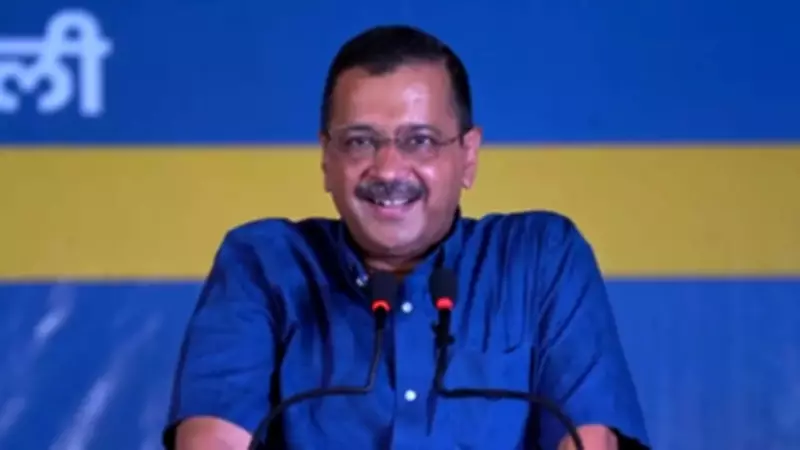
Kejriwal Intensifies Recusal Plea with New Allegations of Judicial Conflict
In a significant development in the ongoing liquor policy case, former Delhi Chief Minister Arvind Kejriwal has filed an additional affidavit to bolster his application seeking the recusal of Justice Swarana Kanta Sharma from hearing the Central Bureau of Investigation's petition against his discharge. The move comes just a day after the Delhi High Court judge reserved orders on Kejriwal's initial recusal plea.
Allegations of Direct Conflict of Interest Amplified
Kejriwal's latest submission argues that a direct conflict of interest exists because Justice Sharma's children are empanelled as lawyers with the Central government and receive legal work through Solicitor General Tushar Mehta, who is representing the CBI in this very case. The affidavit states that this situation amplifies his apprehension about judicial impartiality.
The former chief minister has specifically highlighted that the same law officer opposing his recusal application and arguing the revision petition is part of the institutional mechanism allocating government work to the judge's immediate family members. This, Kejriwal contends, creates a serious appearance of bias that cannot be ignored in a criminal case of this nature.

Substantial Government Work Alleged for Judge's Son
Kejriwal has cited documents obtained through Right to Information (RTI) applications and information in the public domain to support his claims. According to the affidavit, substantial legal work has been allocated to Justice Sharma's son, with specific numbers provided:
- 2,487 cases marked in 2023
- 1,784 cases marked in 2024
- 1,633 cases marked in 2025
The affidavit emphasizes that these are not nominal or honorary positions but continuing professional engagements that bring government briefs, court visibility, and financial benefits through the allocation of legal work by the Centre.
Procedural Concerns and Request for Additional Time
Kejriwal has also raised procedural concerns about how his recusal application has been handled. He claims that when Justice Sharma reserved verdict on the recusal application on April 13 after holding hearings beyond court hours, he was not given a fair and reasonable opportunity to make rejoinder submissions.
Furthermore, the affidavit notes that during the pendency of the recusal application, the court passed effective orders that closed Kejriwal's right to file a reply to CBI's petition if not done within a week, which he says aggravated his apprehension about the proceedings.
Kejriwal has now sought additional time to make further oral and rejoinder submissions to strengthen his argument that continuing the case before Justice Sharma might not carry the full appearance of judicial detachment, independence and neutrality that the law requires.
Background and Next Steps
After hearing Kejriwal in person on Monday, Justice Sharma had concluded proceedings while allowing written submissions to be filed until Wednesday afternoon for those wishing to make additional points. The former chief minister states that he learned about these material facts concerning the judge's family members only after filing his initial recusal application.
This development adds another layer of complexity to the high-profile liquor policy case that has been making headlines for months. The allegations of conflict of interest based on family professional engagements represent an unusual challenge to judicial proceedings and could have significant implications for how such cases are handled in the future.






